
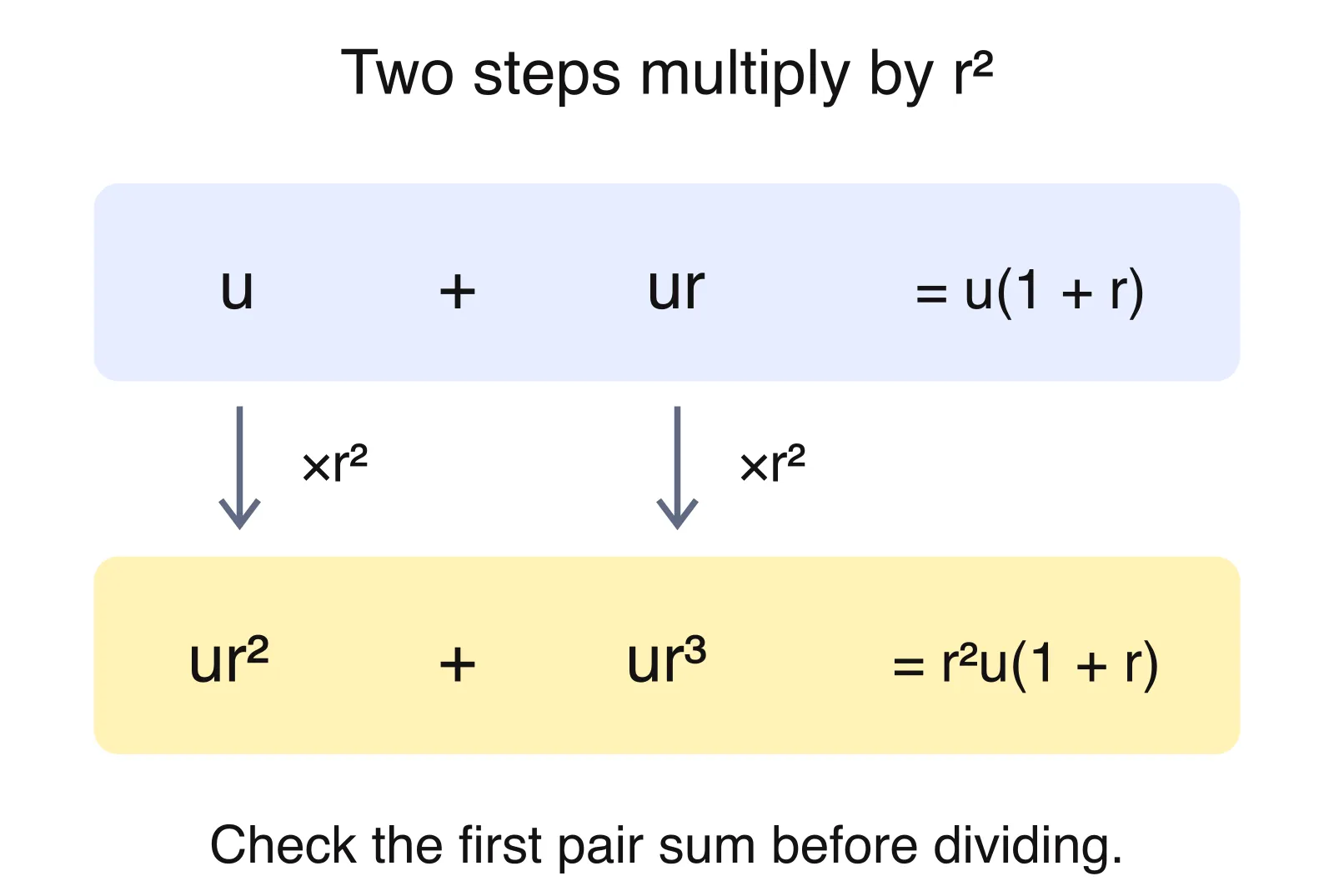
How do you turn a geometric progression into equations?
Write consecutive terms as u, ur, ur² and ur³, then turn the given information into equations and check every restriction.
ReadUpdates, learning and life at Padho.
ViewMotion, energy and matter.
ViewAtoms, molecules and reactions.
ViewAlgebra, geometry and calculus.
ViewHow we design, build and run Padho.
ViewWrite consecutive terms as u, ur, ur² and ur³, then turn the given information into equations and check every restriction.
Read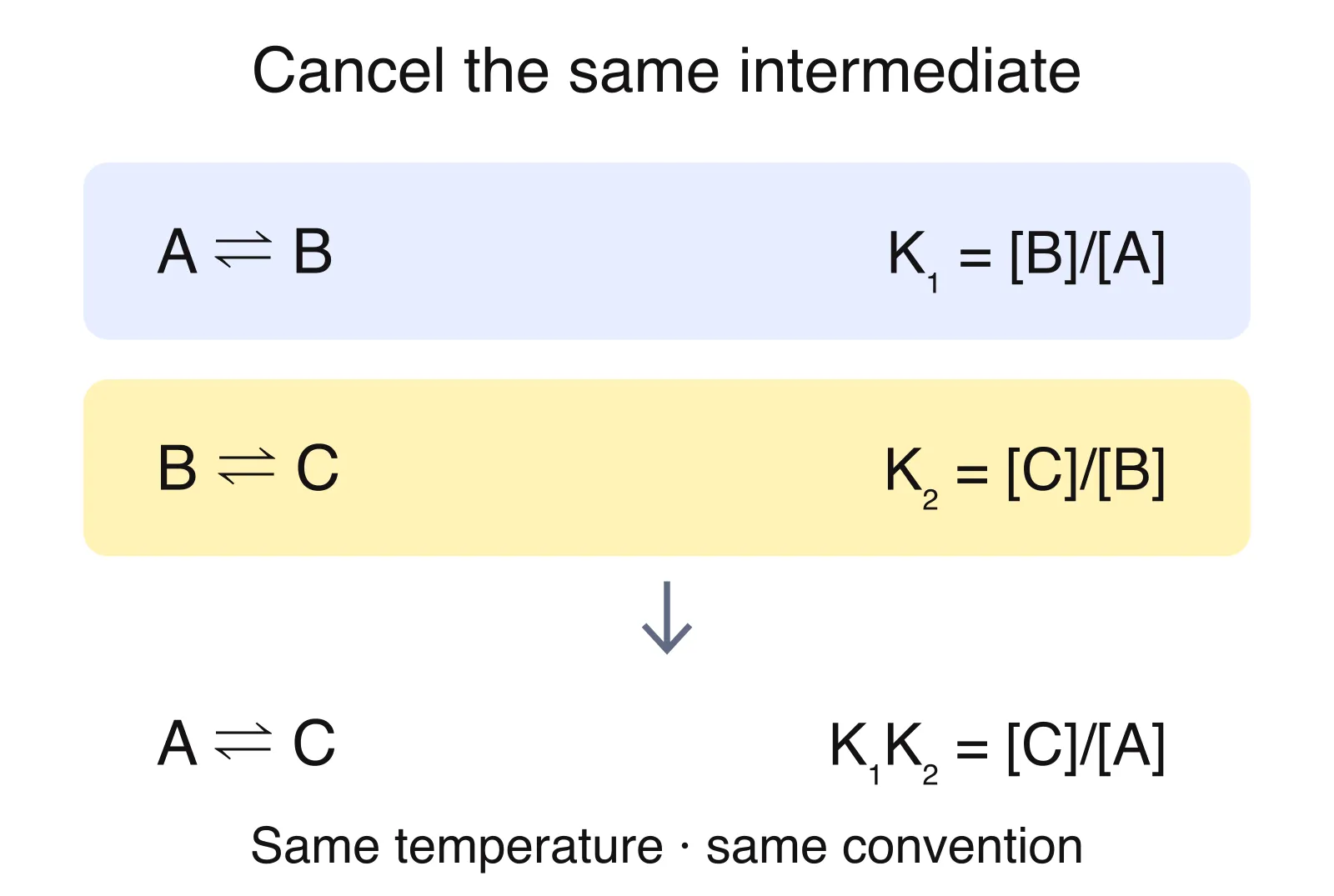
Track what happens to K when an equation is reversed, multiplied by a number, or added to another reaction.
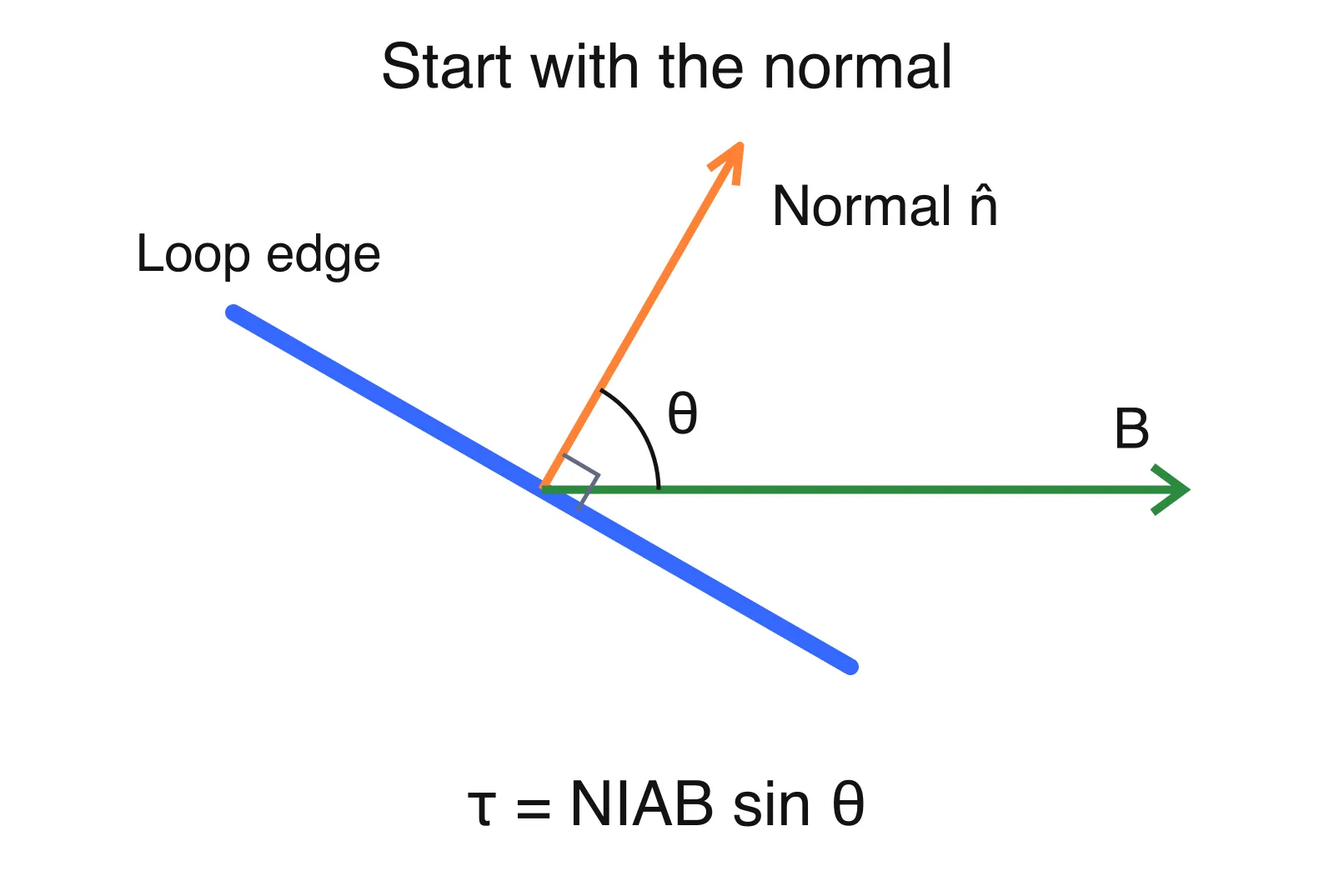
Find the loop normal before using N I A B sin θ, then use the cross product to check the torque direction.
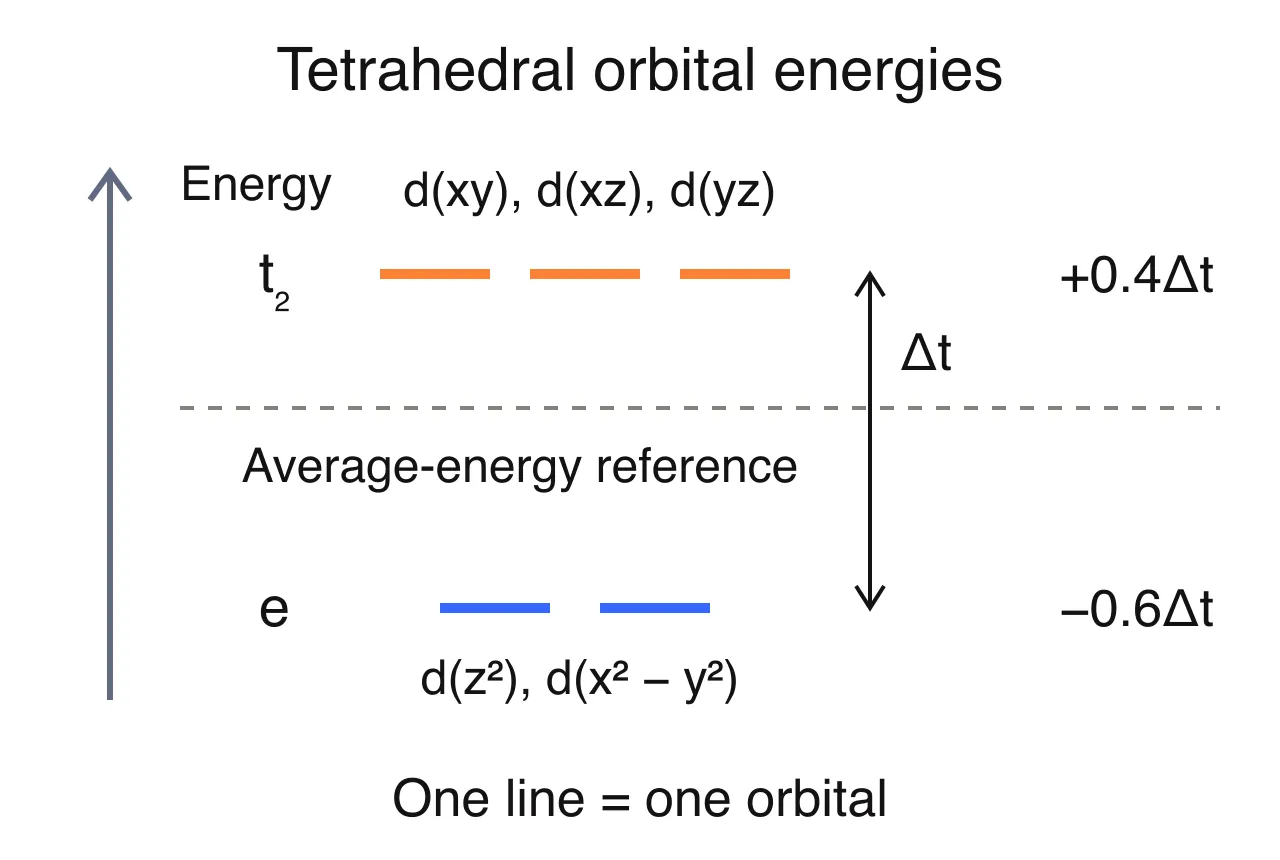
Place electrons in the two tetrahedral energy levels, then add their signed contributions to crystal field stabilisation.
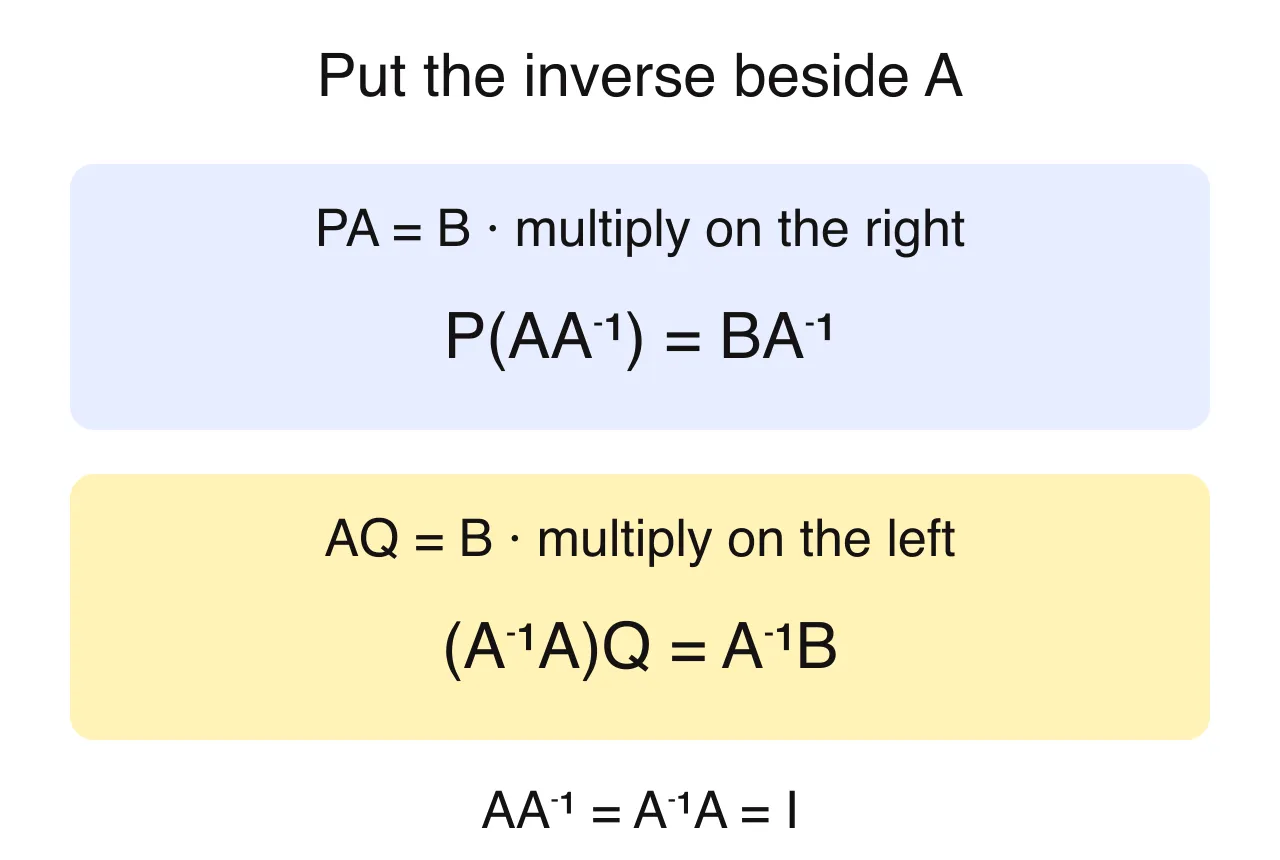
Use ordered transformations to understand PA = B and AQ = B, then put the inverse on the side that cancels A.
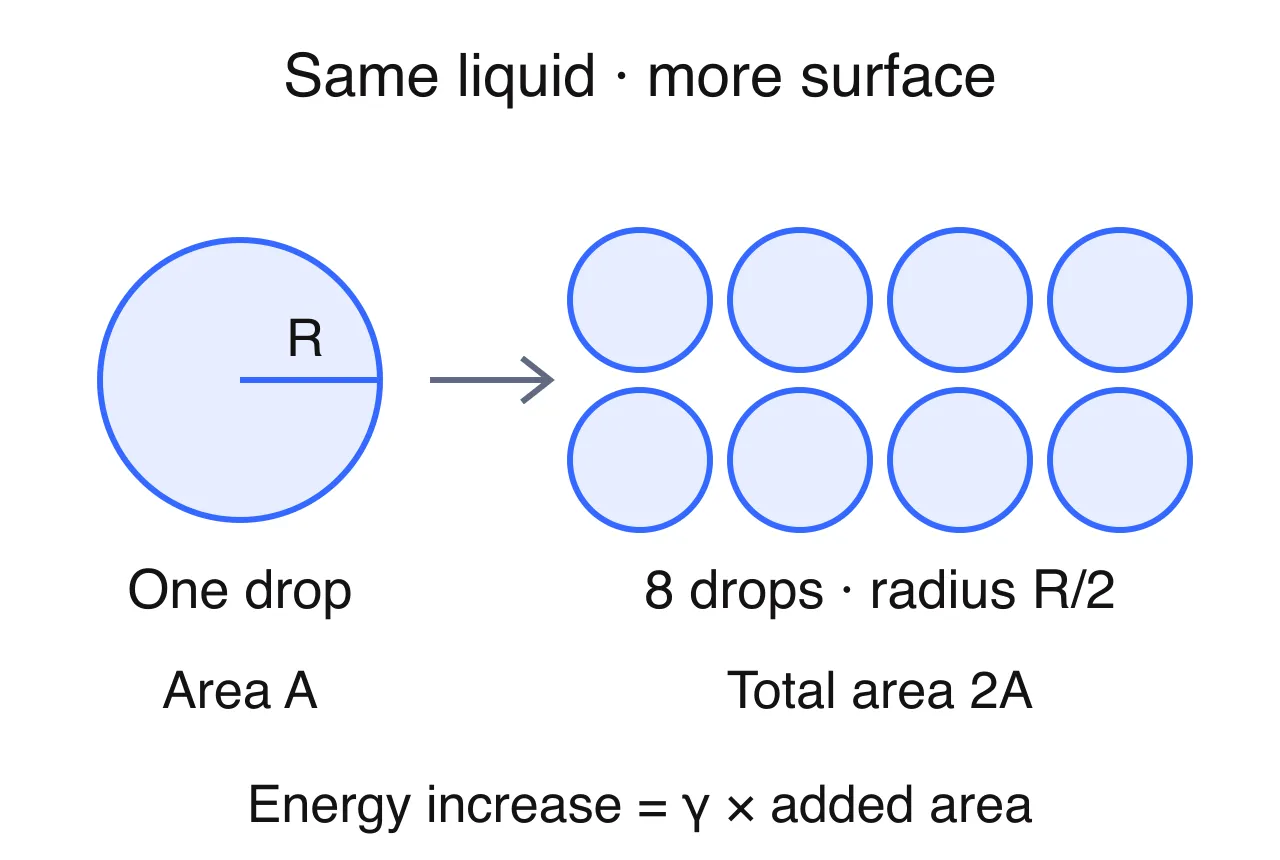
Keep the liquid volume fixed, count the new surface area, and distinguish a liquid drop from a two-sided soap film.
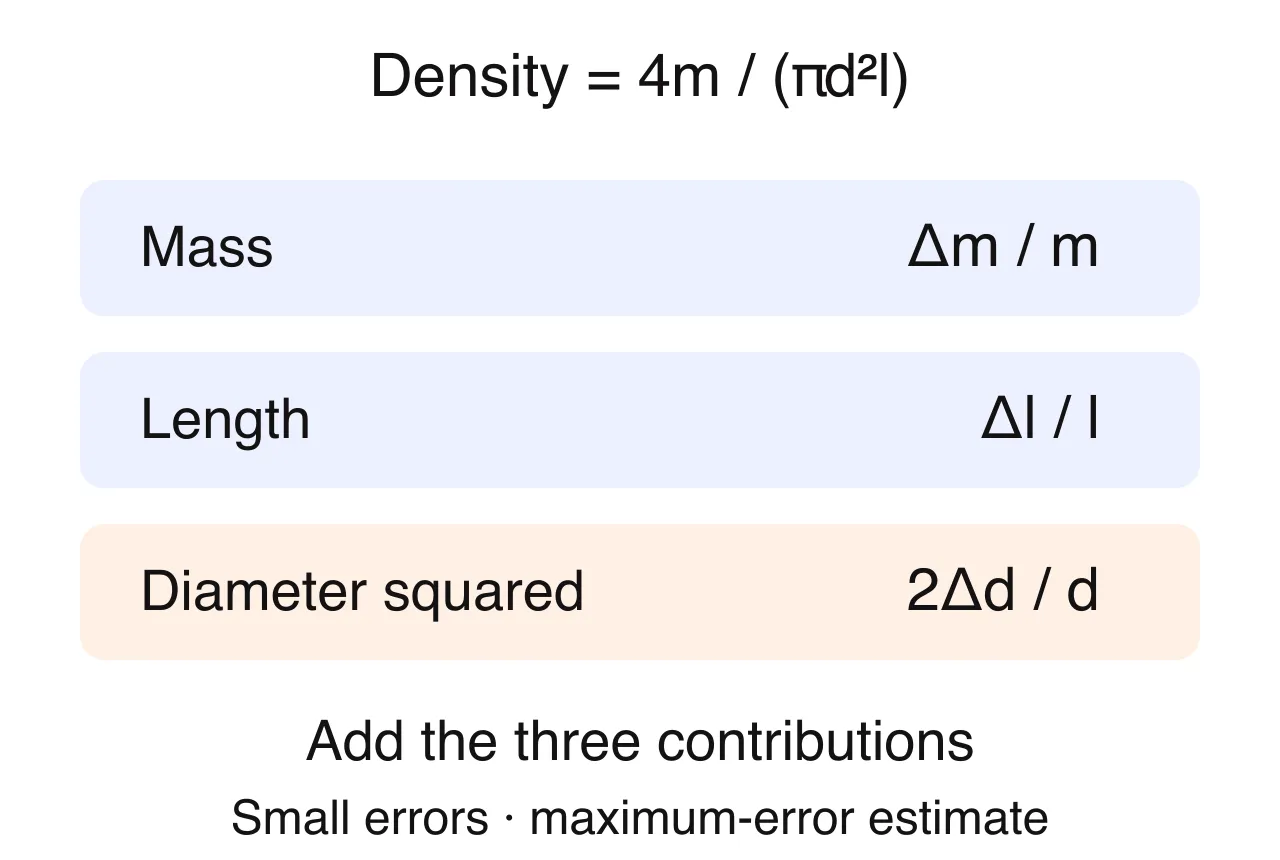
Turn each uncertainty into a fraction, then see why division and squared measurements add to the possible error.
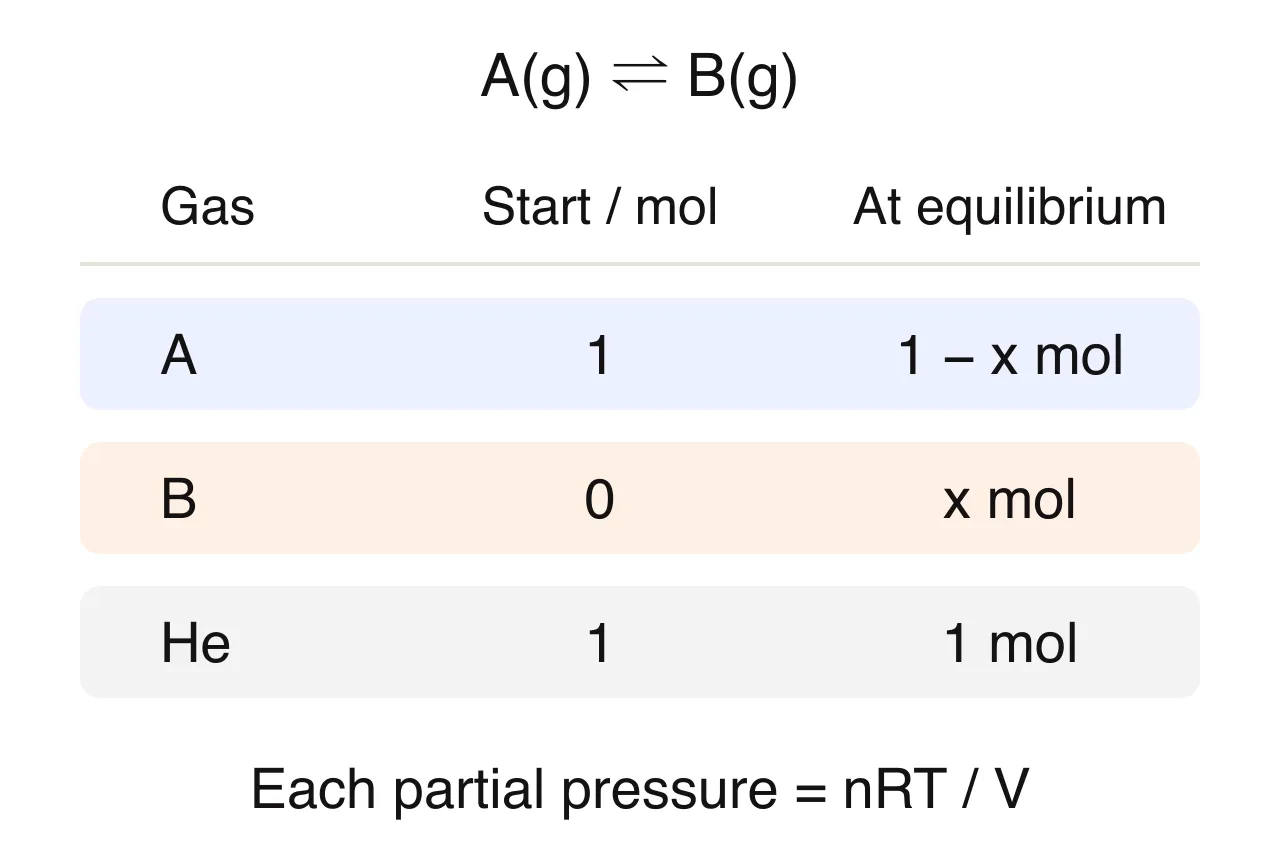
Track the moles of each gas before calculating its pressure, including an inert gas that stays in the flask.
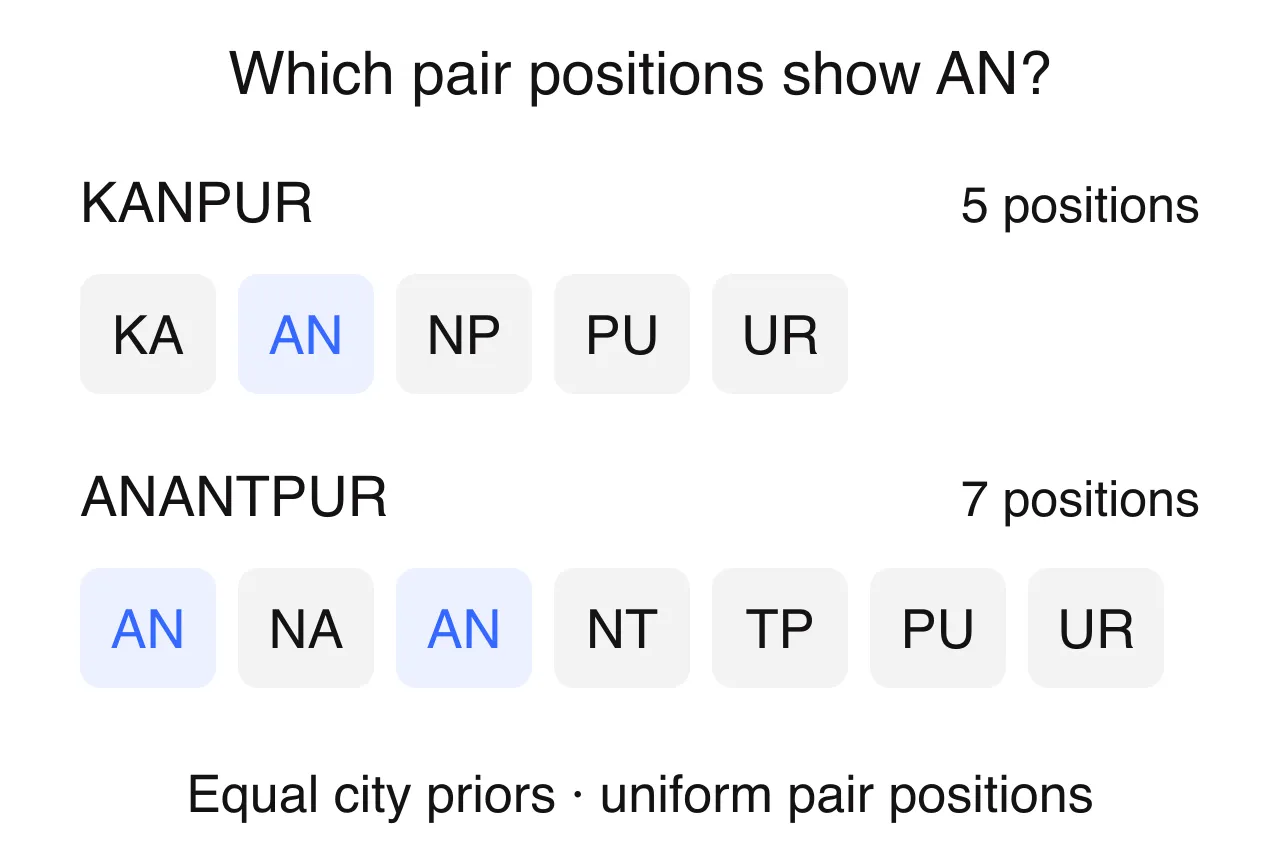
Multiply along each possible route, then compare only the routes that agree with what you have observed.
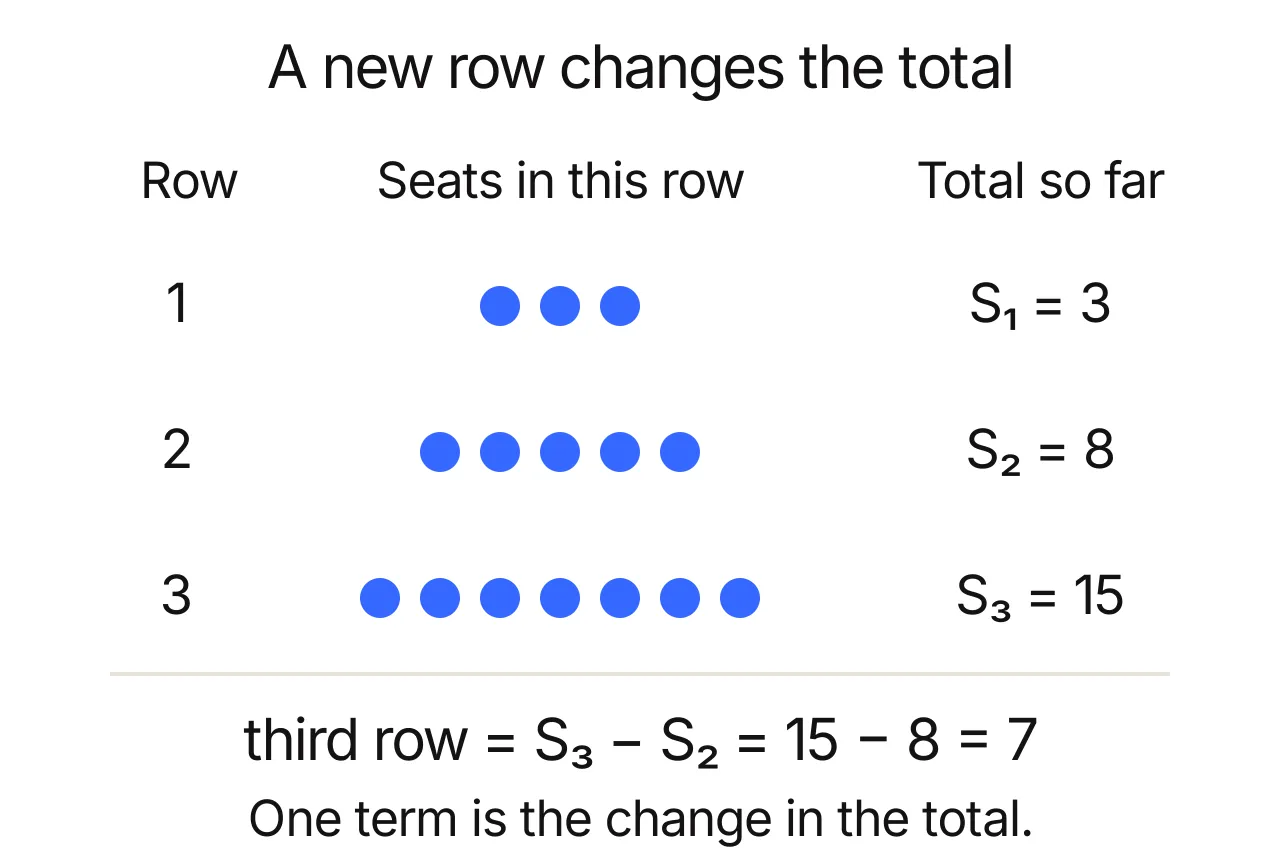
Separate one term from a running total, then use equal-step patterns to recover an arithmetic progression.
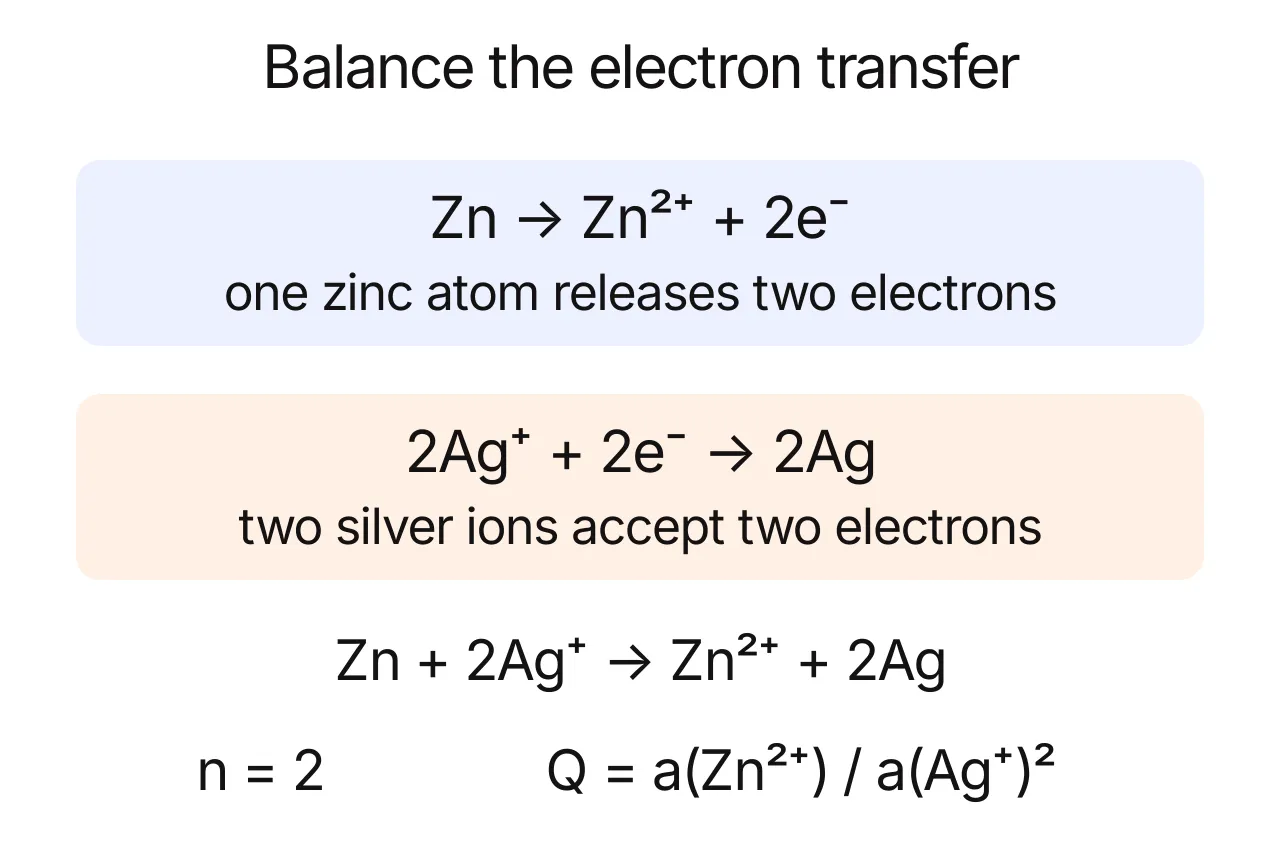
Balance the electron transfer first, then use the Nernst equation to connect ion concentration with cell voltage.
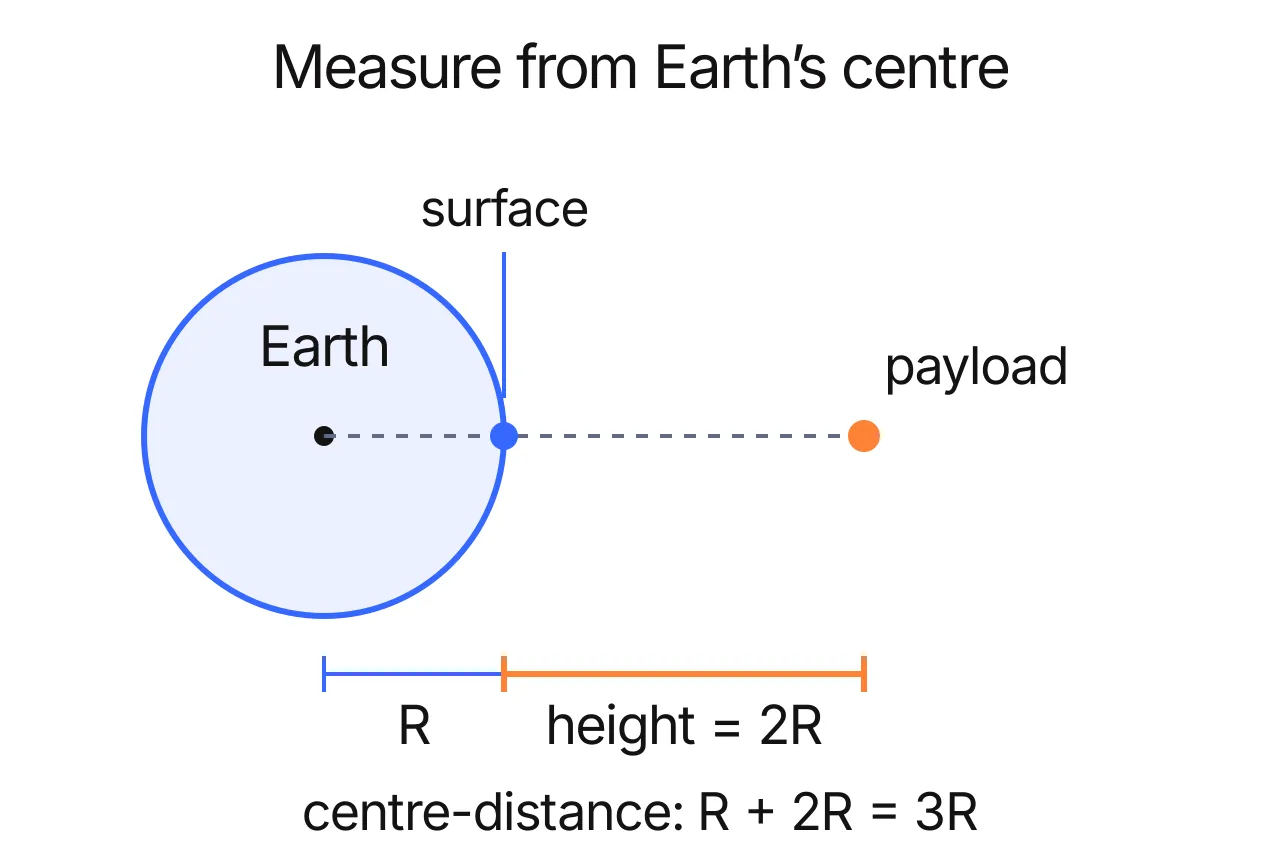
Follow the changing gravitational pull as a mass rises, then calculate energy using distance from Earth’s centre.
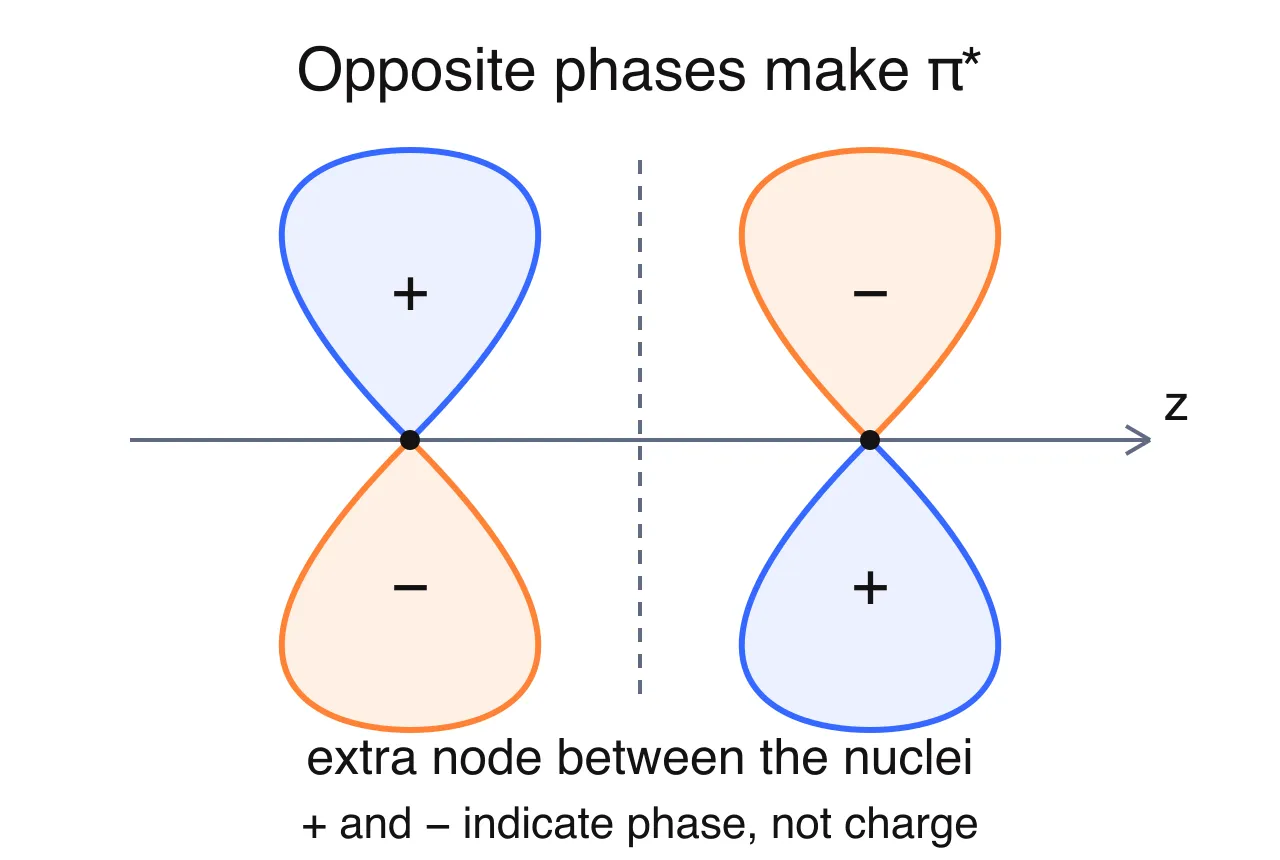
Use two antibonding orbitals to compare oxygen bond lengths and unpaired electrons, with two worked JEE Main questions.
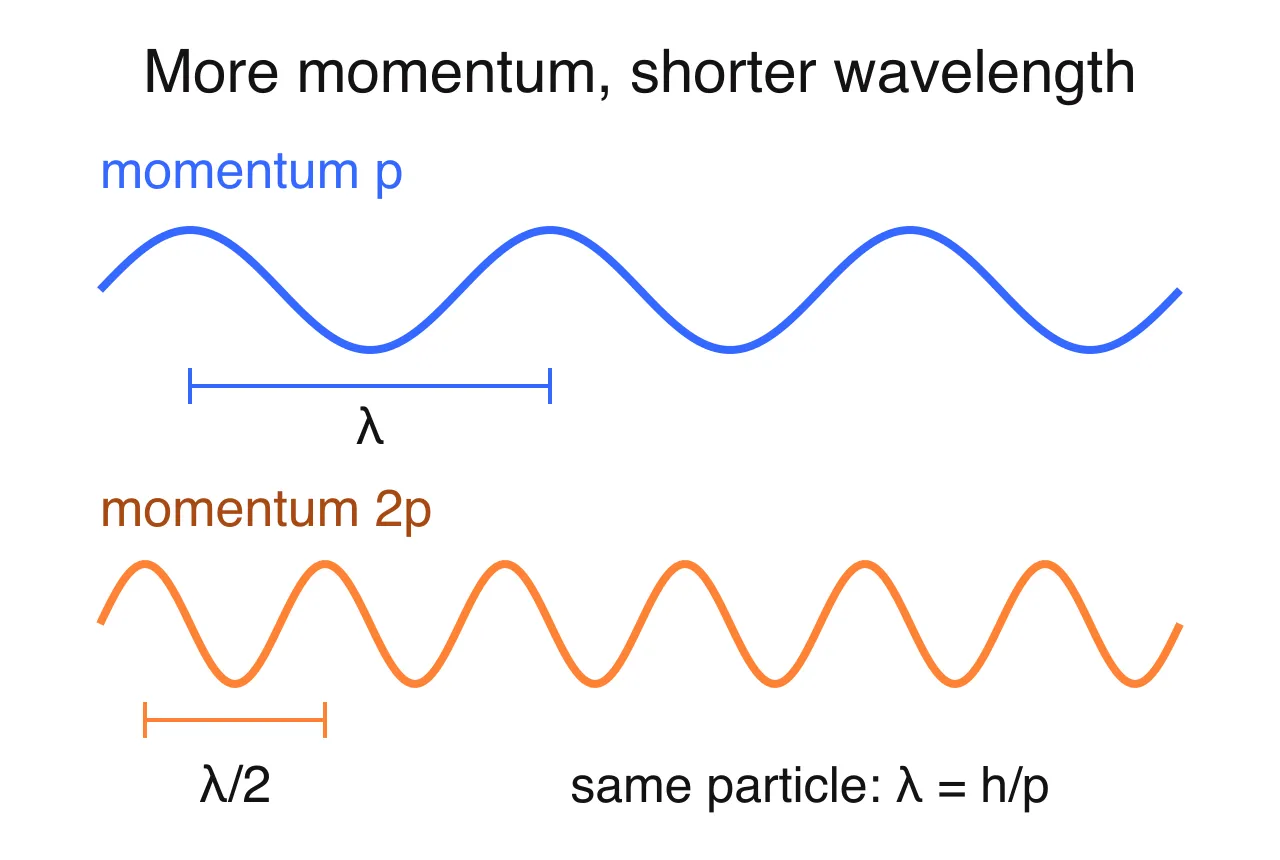
Compare matter wavelengths by finding momentum first, then solve two JEE Main questions about acceleration by an electric field.
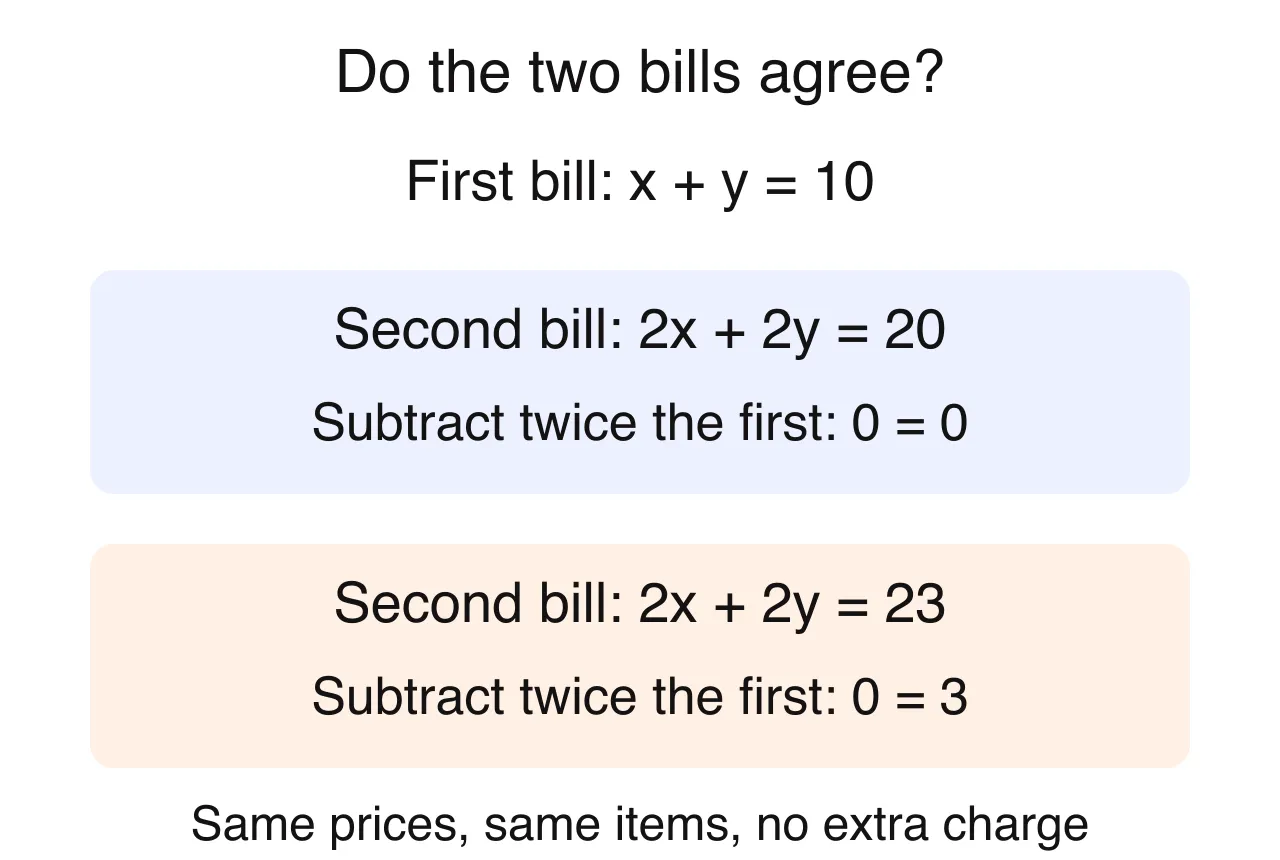
Use elimination to distinguish repeated information from a contradiction, then solve two JEE Main parameter questions.
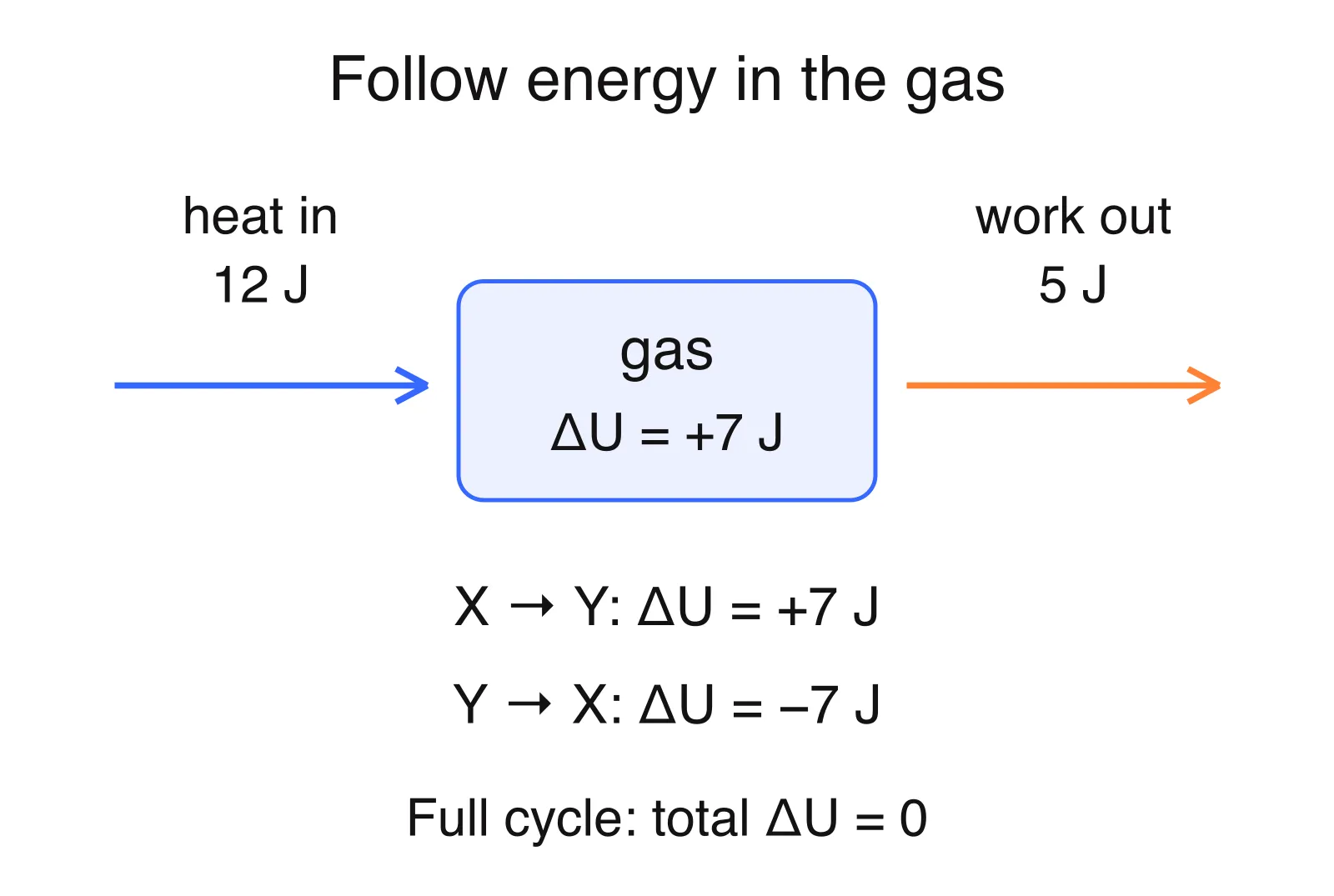
Follow energy entering and leaving a gas, then use its return to the starting state to find the missing work.
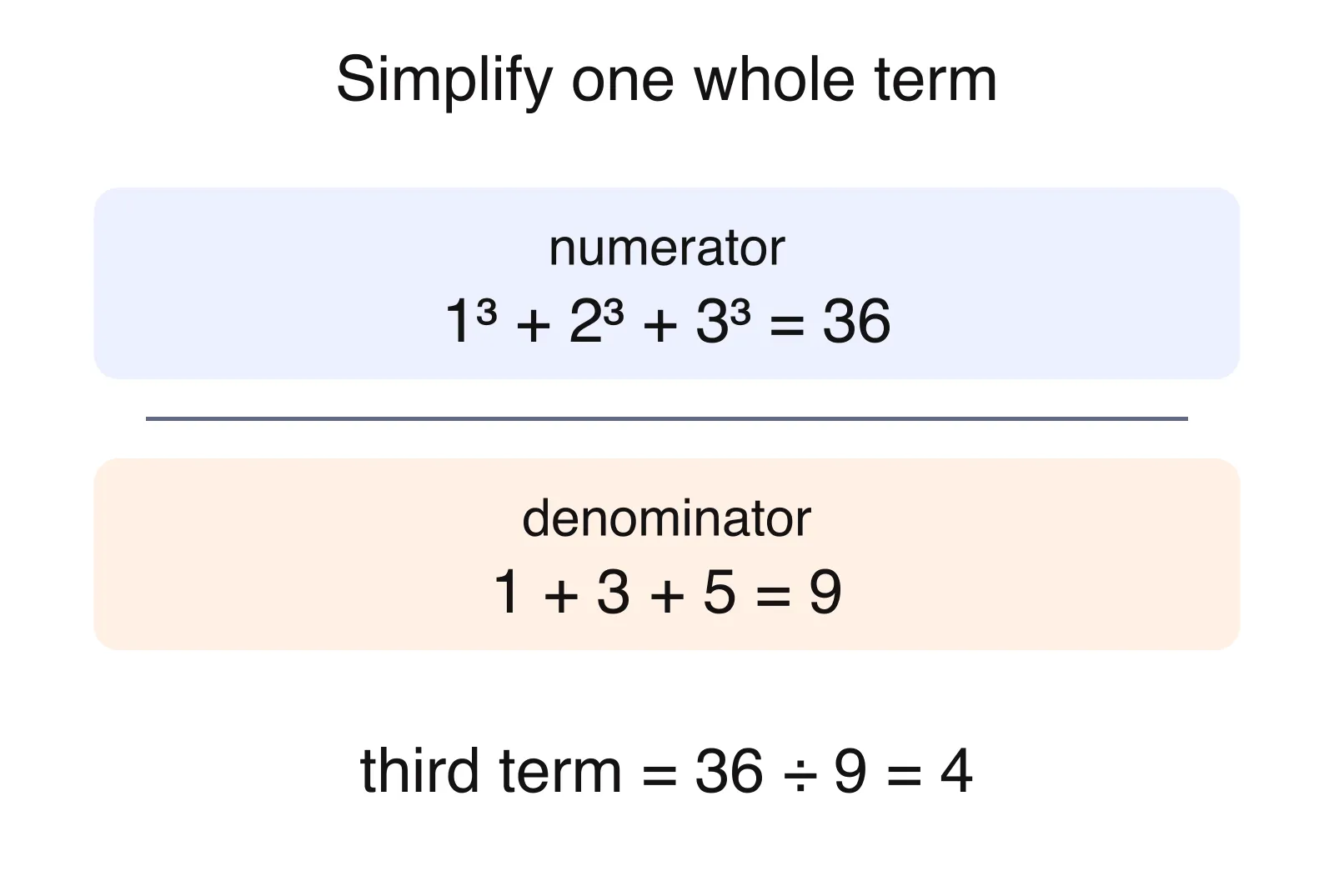
Simplify one fraction at a time, then use finite-sum formulas and careful endpoints to add the whole series.
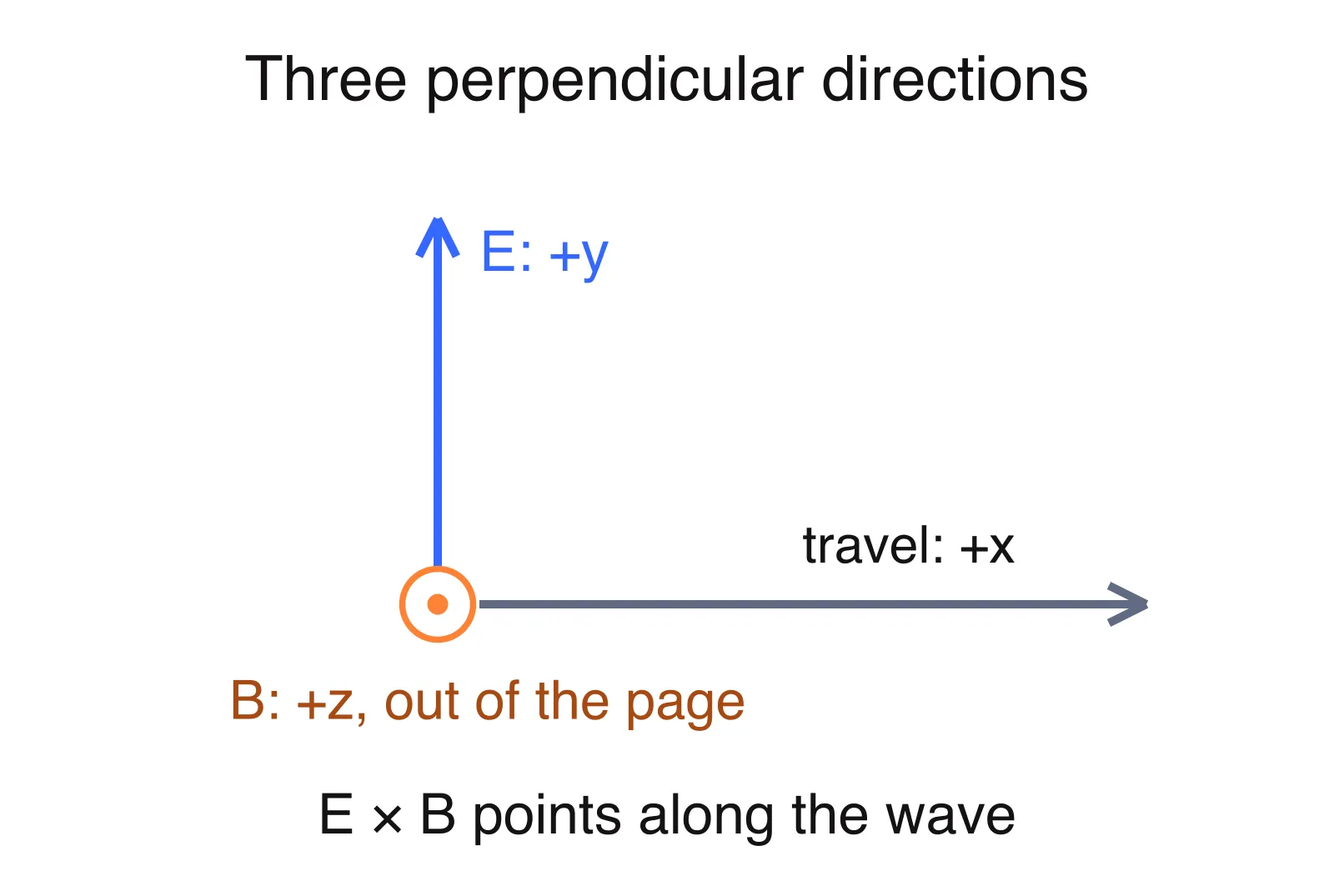
Use the wave’s direction and magnetic field to find both the size and direction of its electric field.
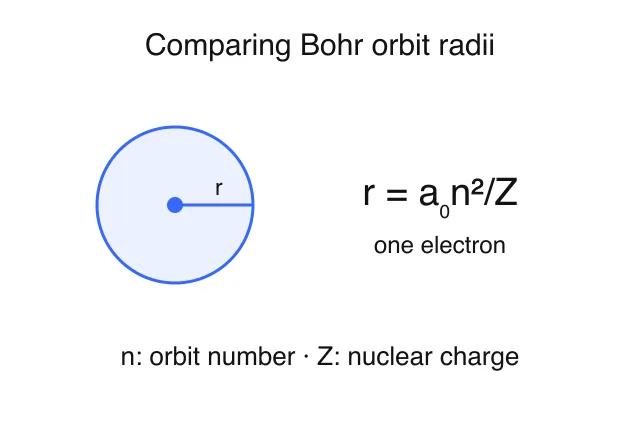
Compare the orbit number and nuclear charge to find equal radii in one-electron species.
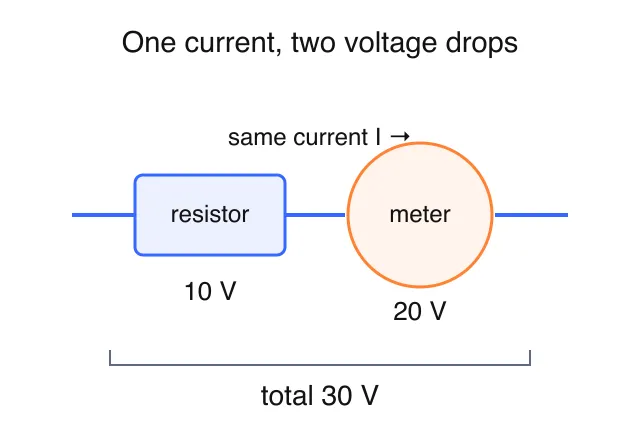
Follow the voltage across a meter and a series resistor to find the resistance needed for a wider range.
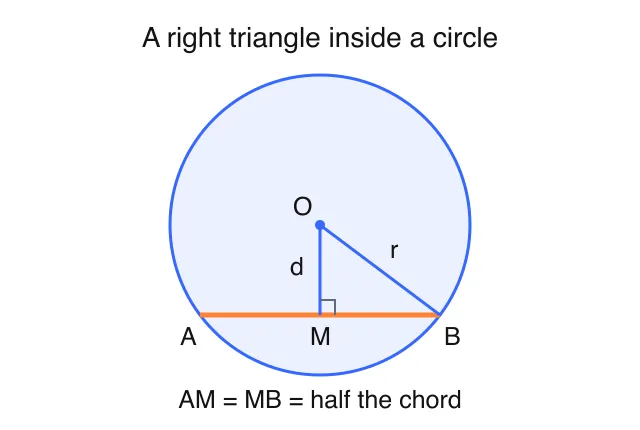
Use a right triangle to connect a circle’s radius, a chord and the distance from its centre.
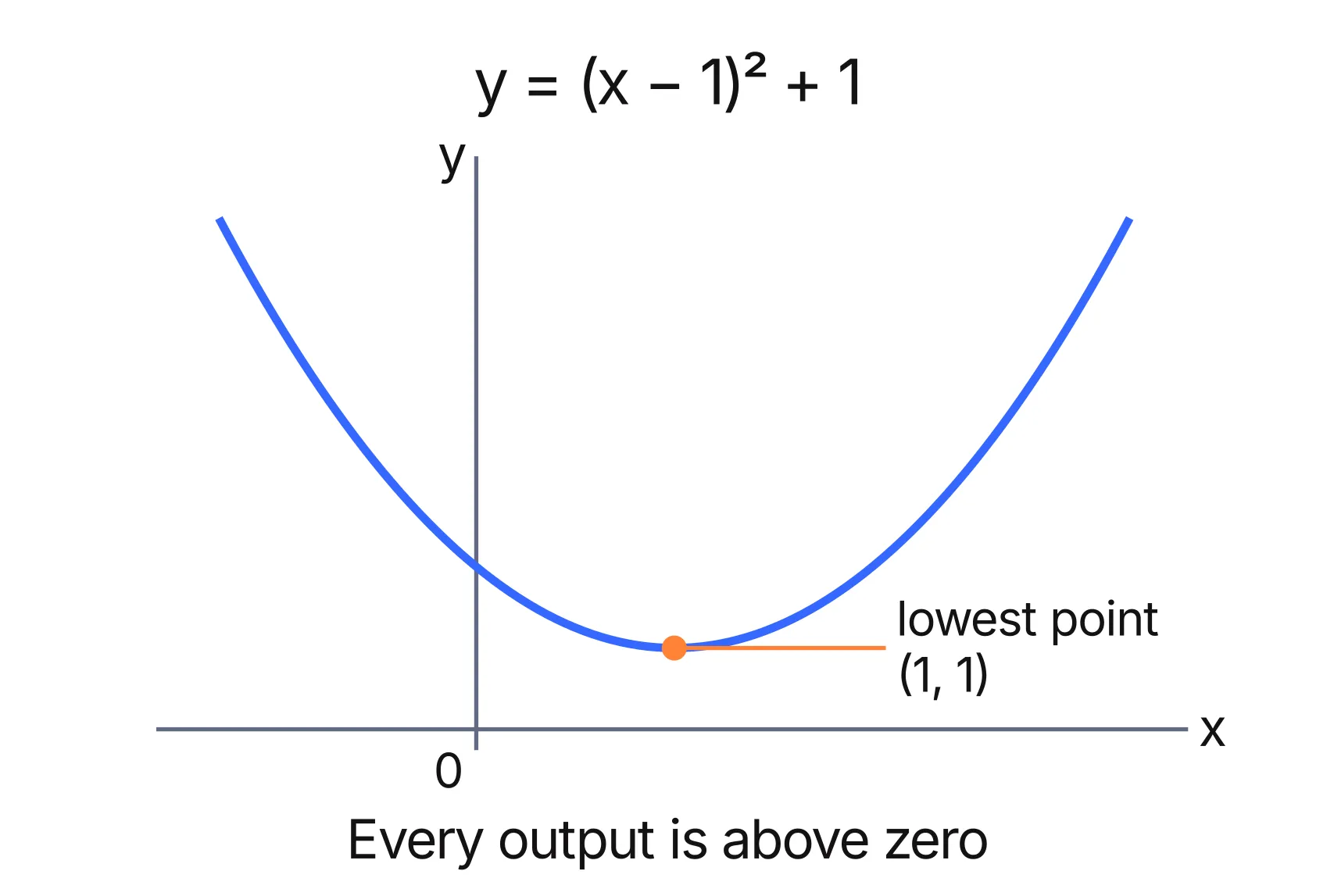
Look at the lowest point of the curve, then use the discriminant to turn the picture into a condition.
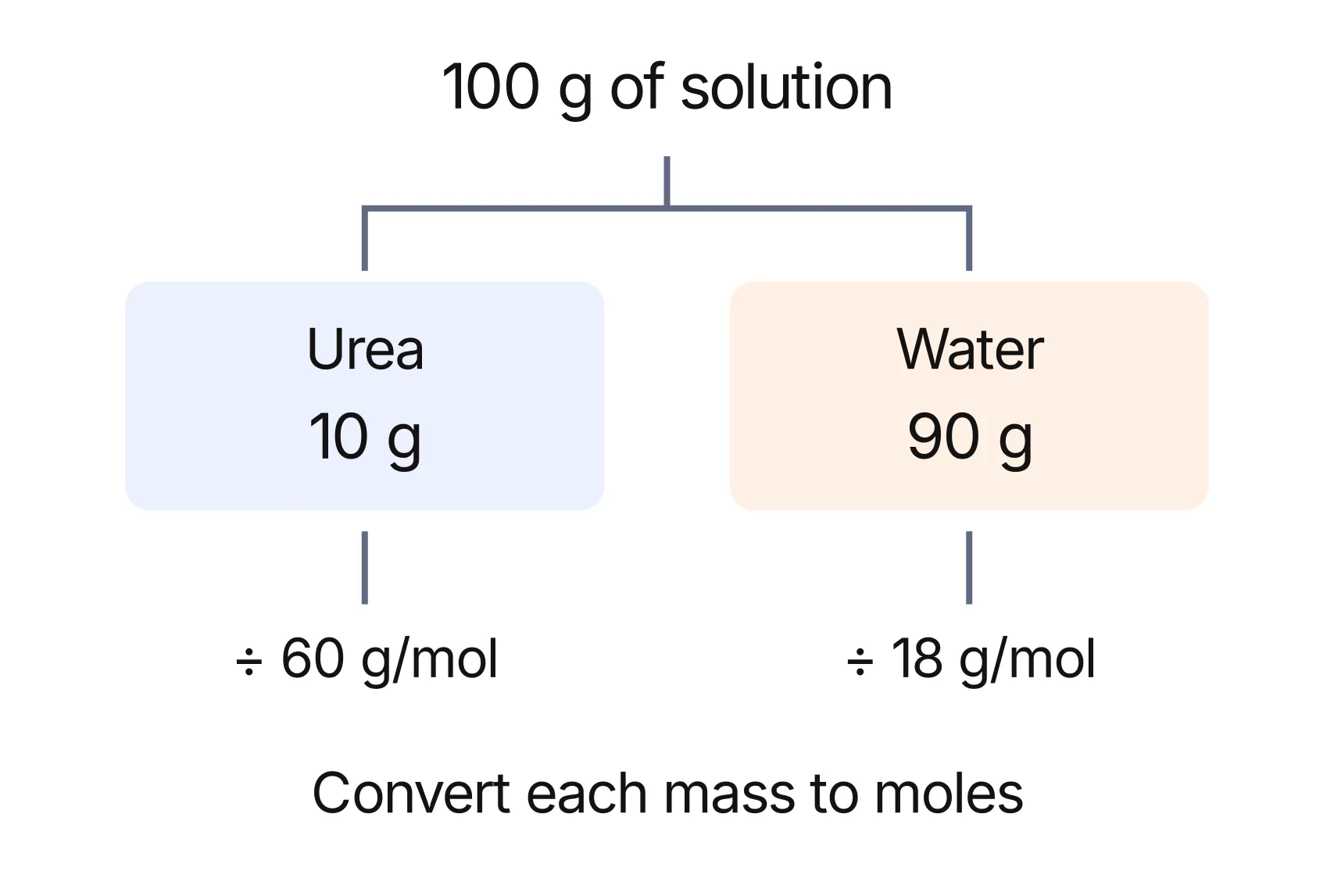
Start with 100 grams of solution, convert each substance to moles, and then compare their amounts.
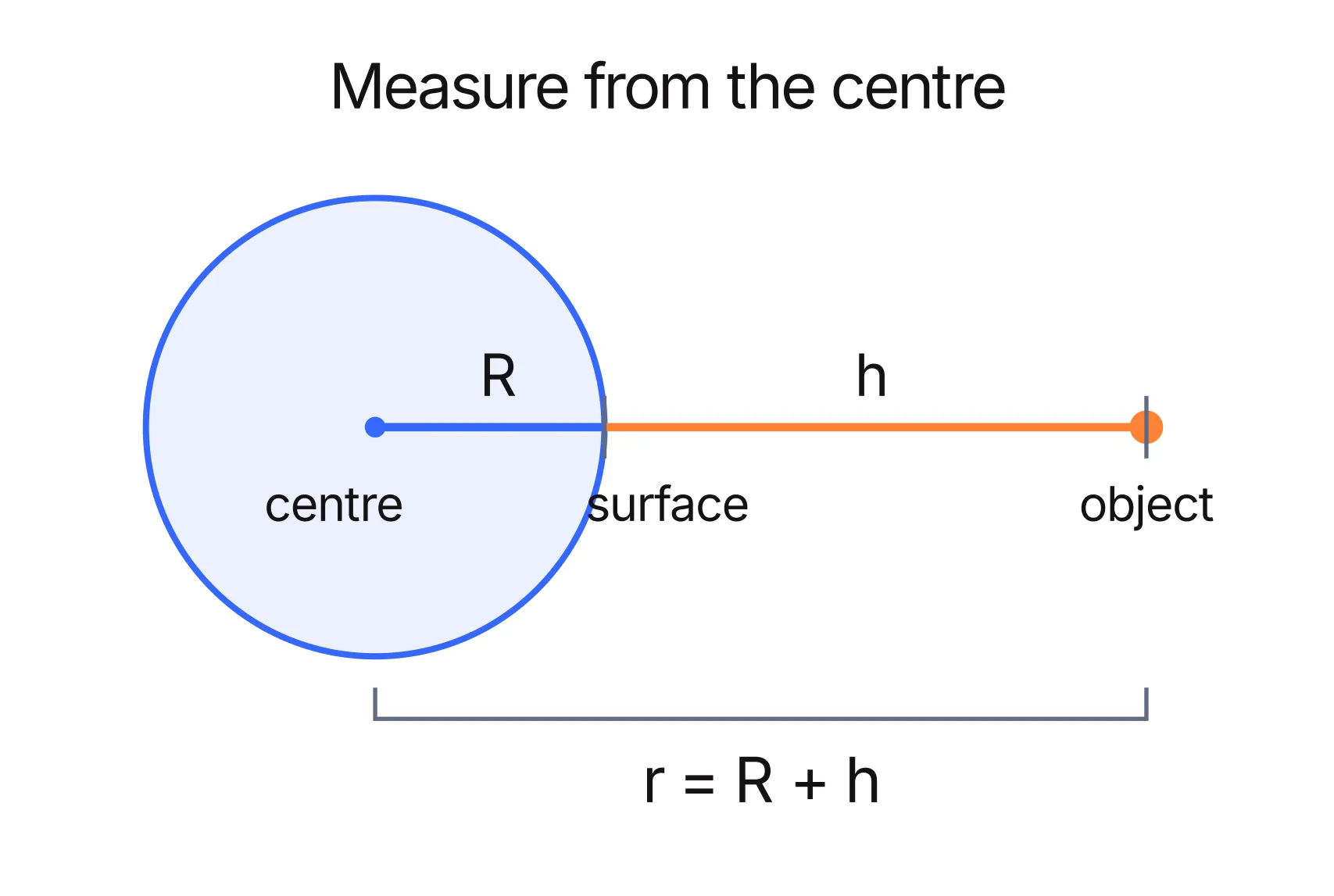
Measure from Earth’s centre, then see why gravity changes differently above the surface and below it.
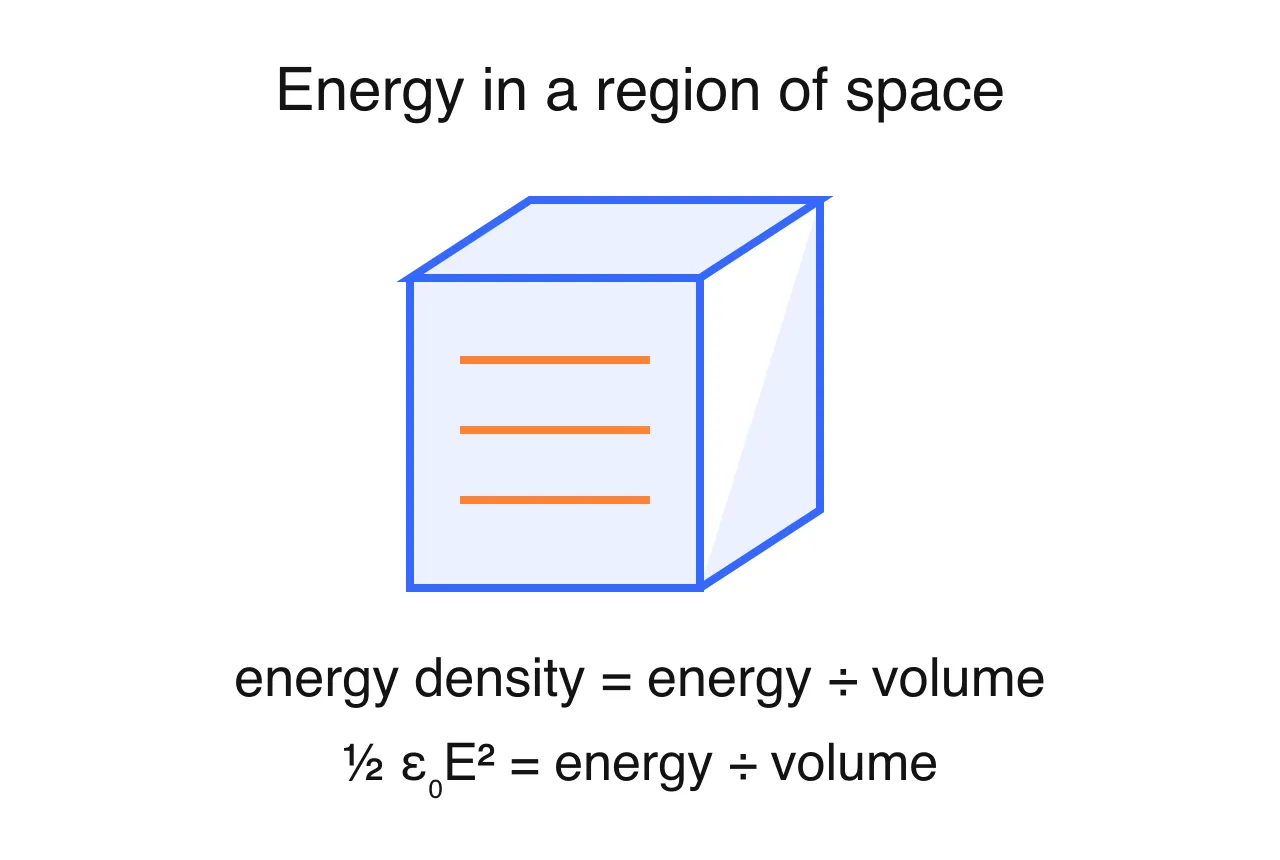
Use energy per unit volume to find the dimensions of an electric-field expression.
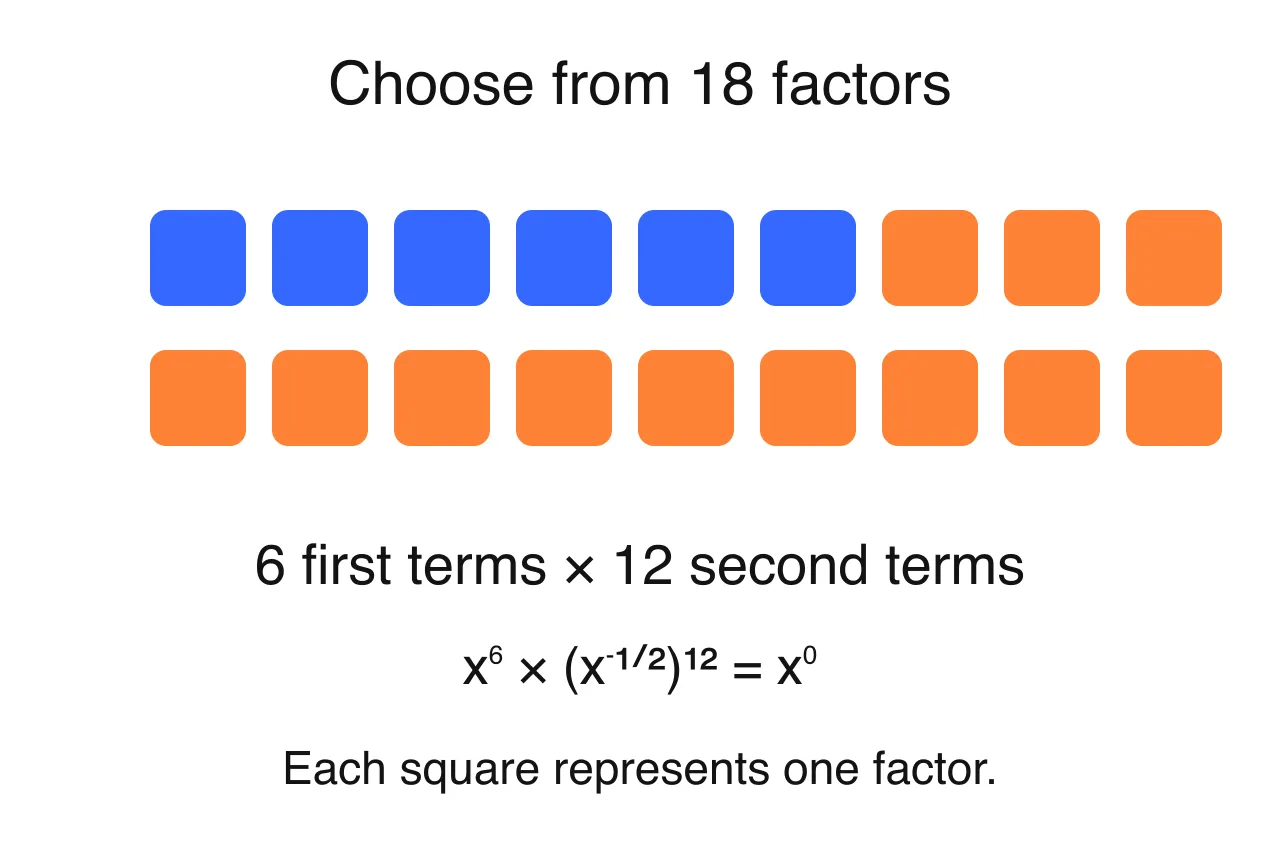
Balance powers of x before calculating the coefficient in a binomial expansion.
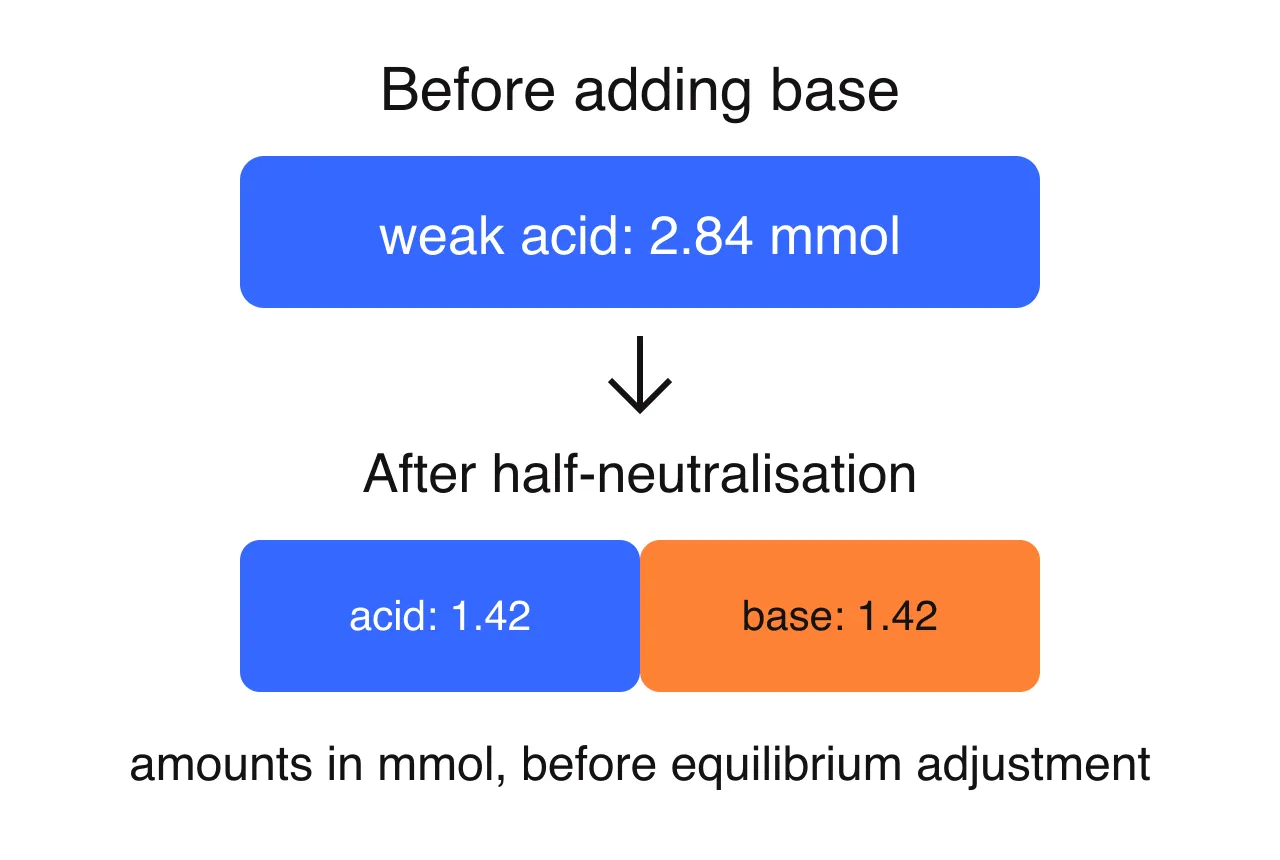
Follow the amounts of weak acid and its conjugate base to understand the half-neutralisation point.
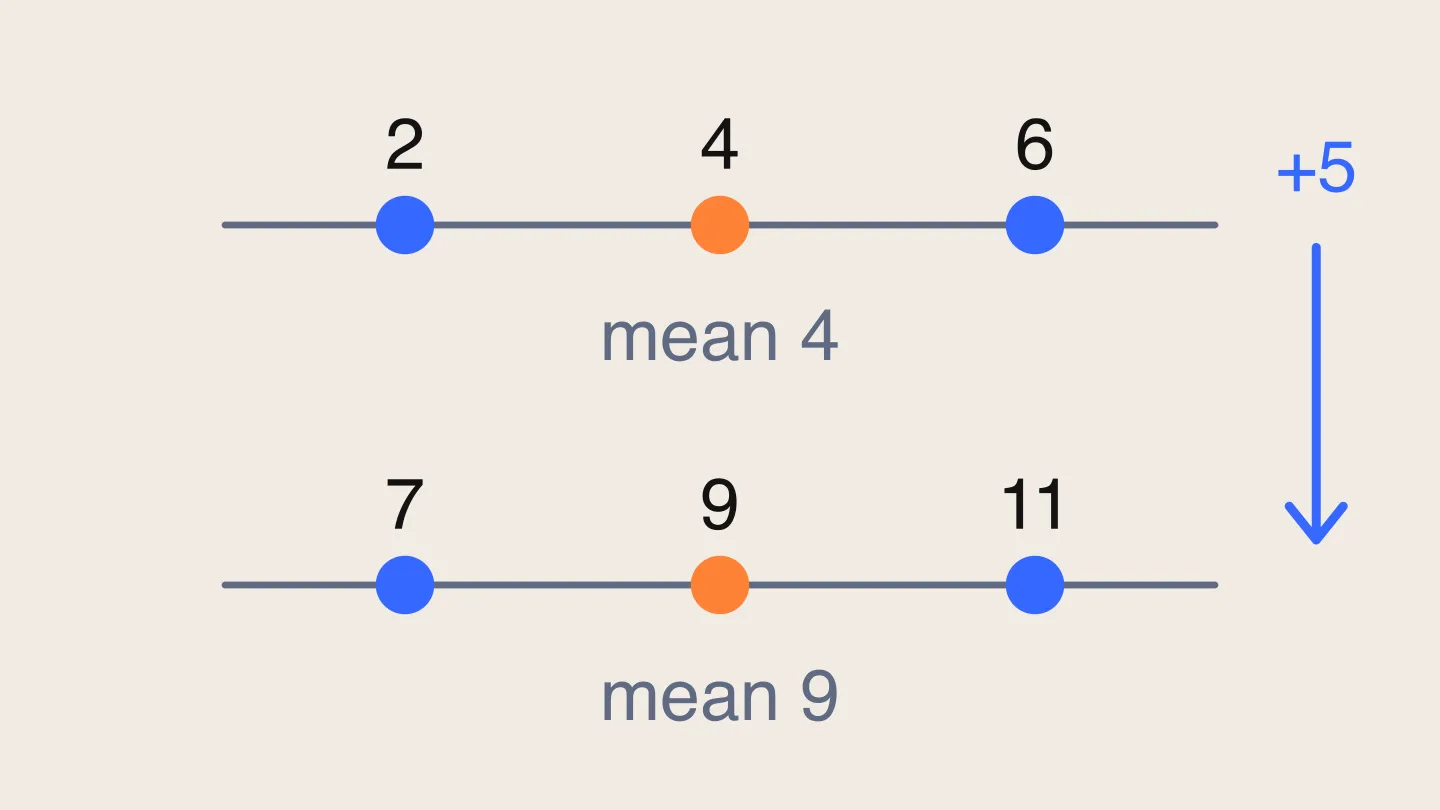
You do not need every value in a data set. Its sum and sum of squares can tell you the spread.
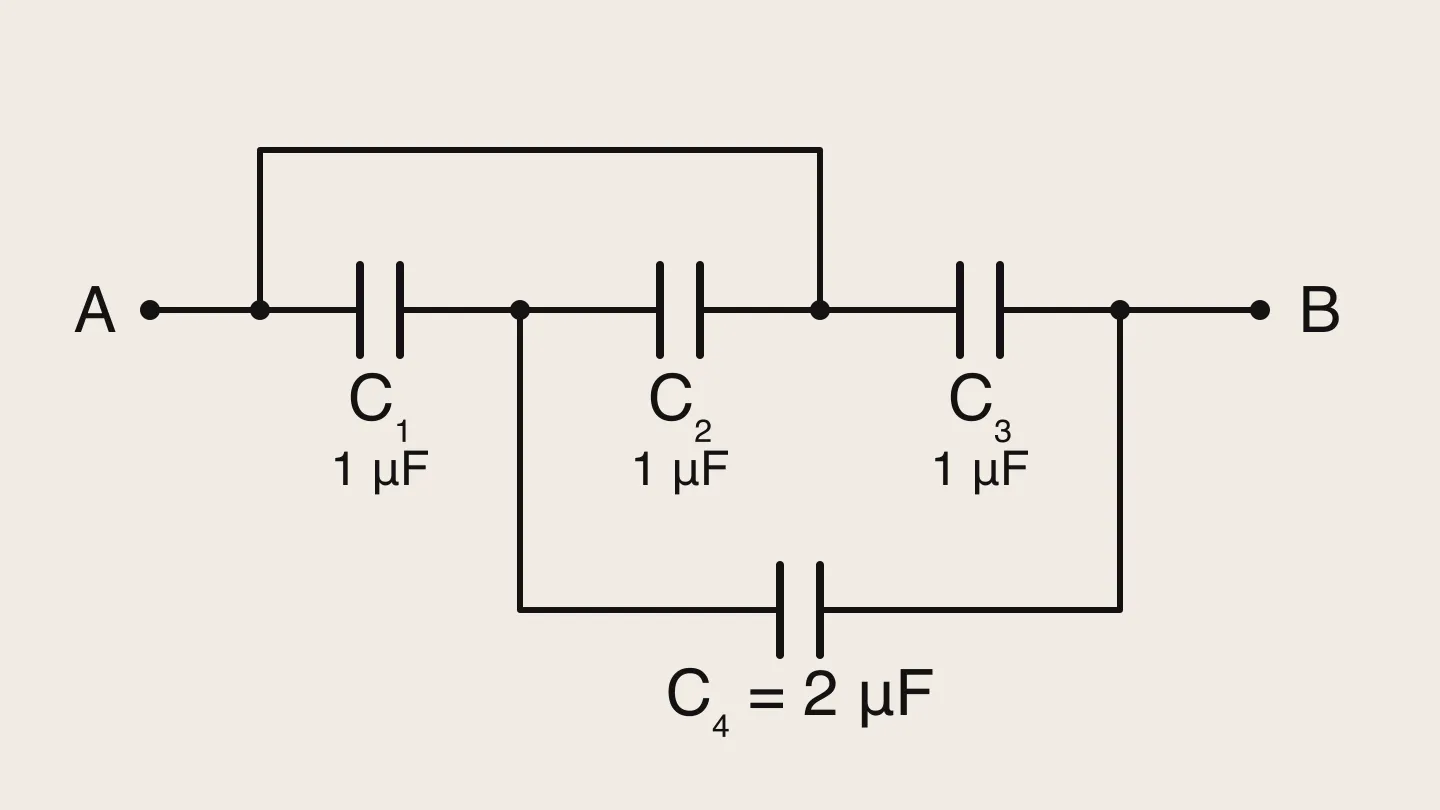
Follow the wires before choosing a formula. The connections decide which capacitors share a voltage.
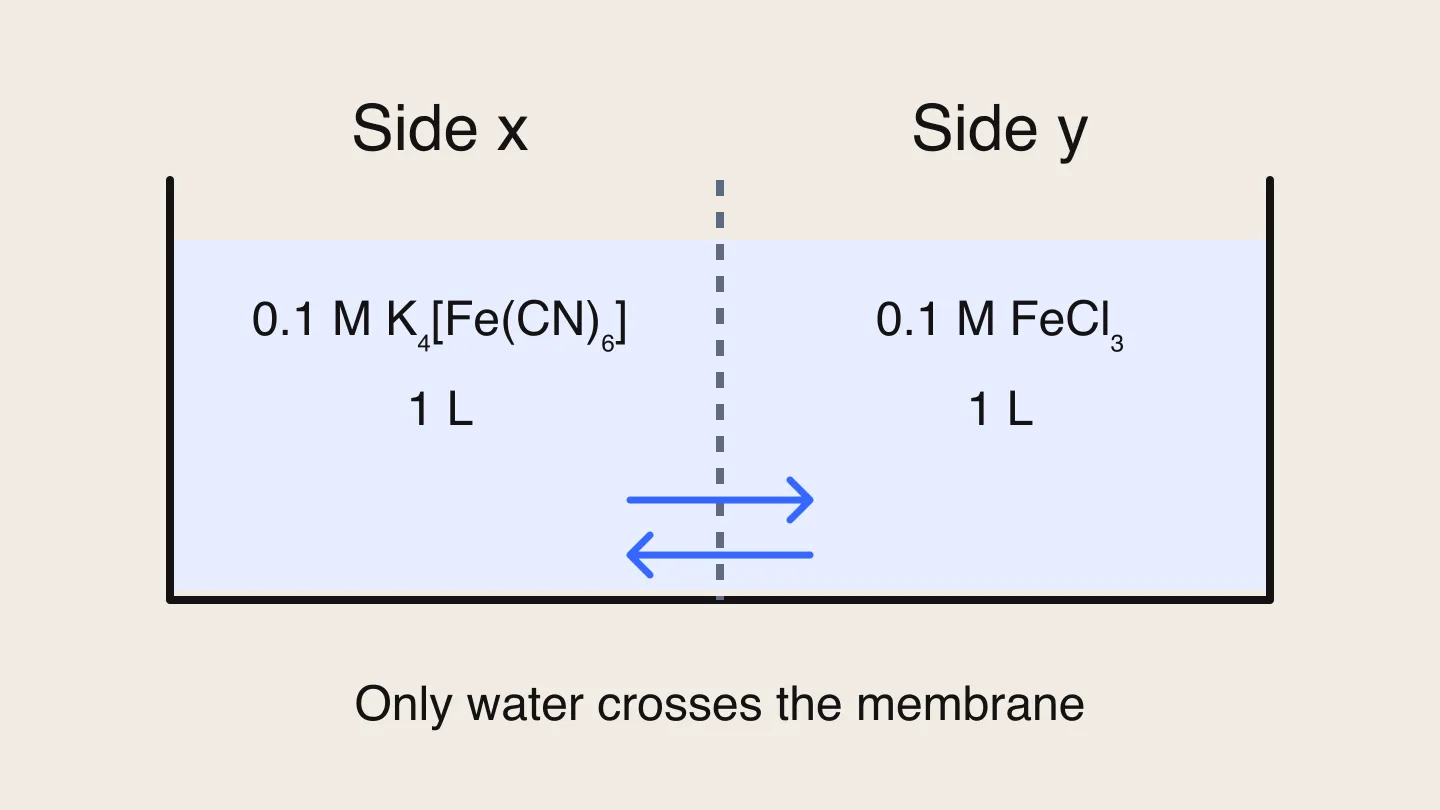
Equal molarities do not always mean equal osmotic pressures. Count the particles that actually remain dissolved.
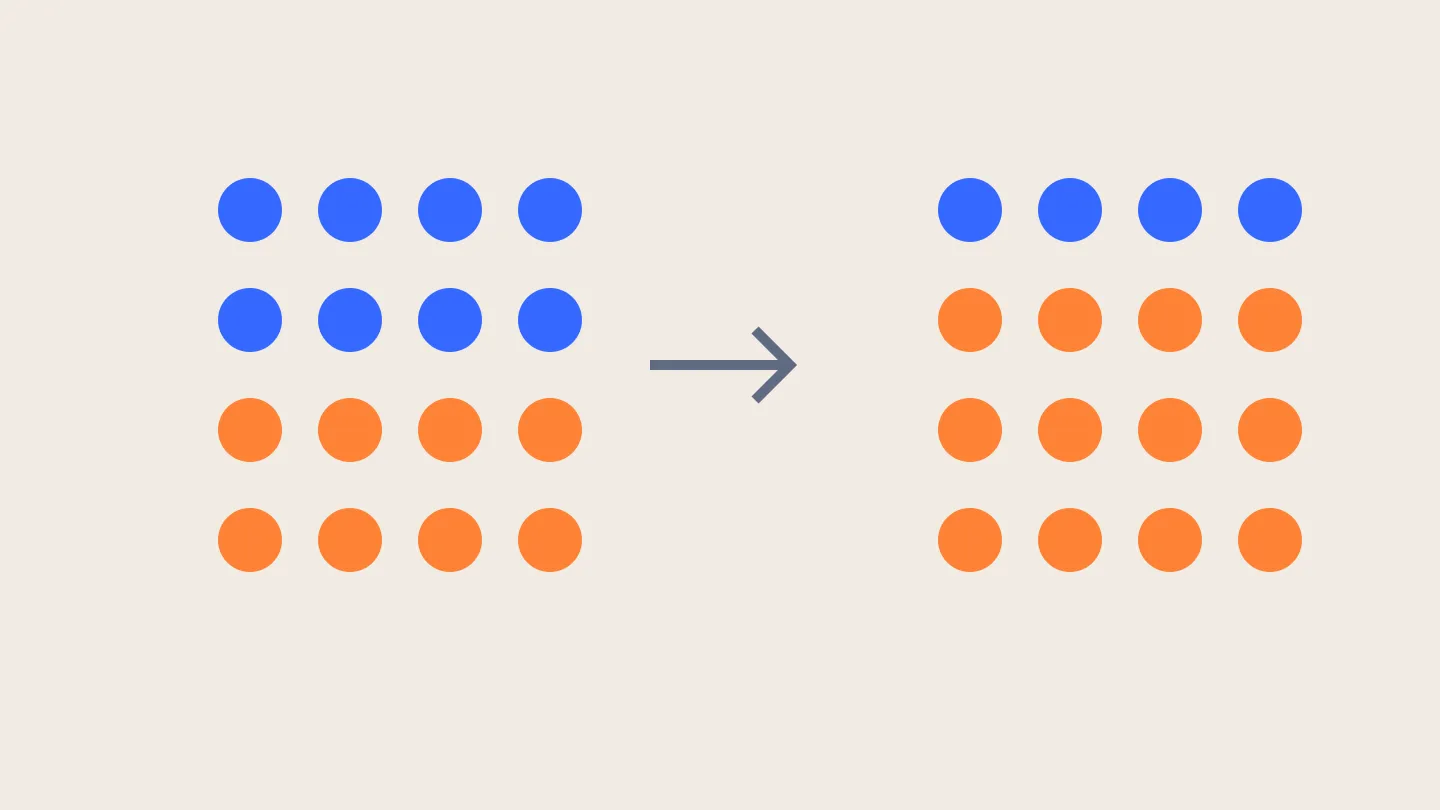
Half left means half has reacted. A quarter left means three quarters have reacted. Keep those two amounts separate.
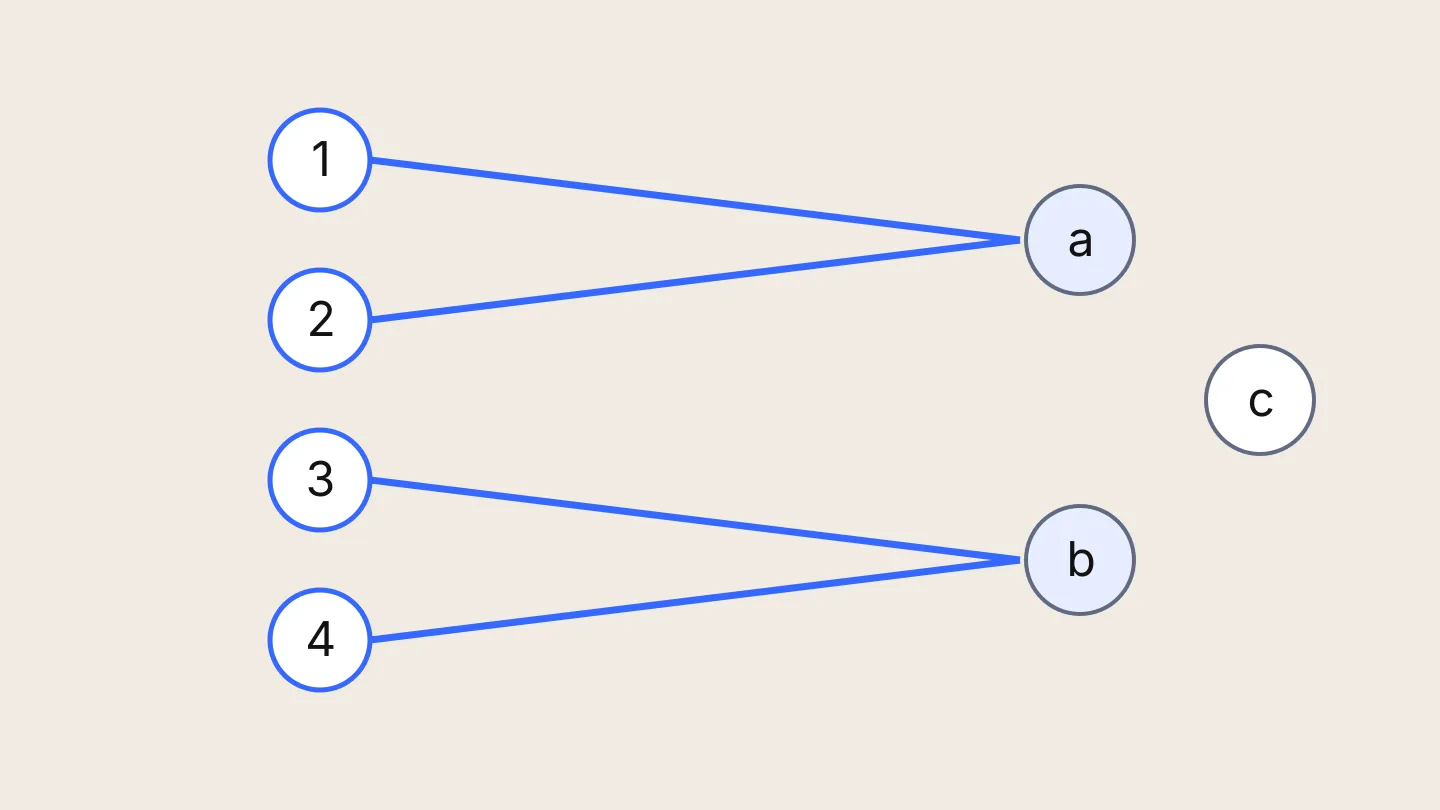
Count the unused outputs, then check whether the same function slipped into your count twice.
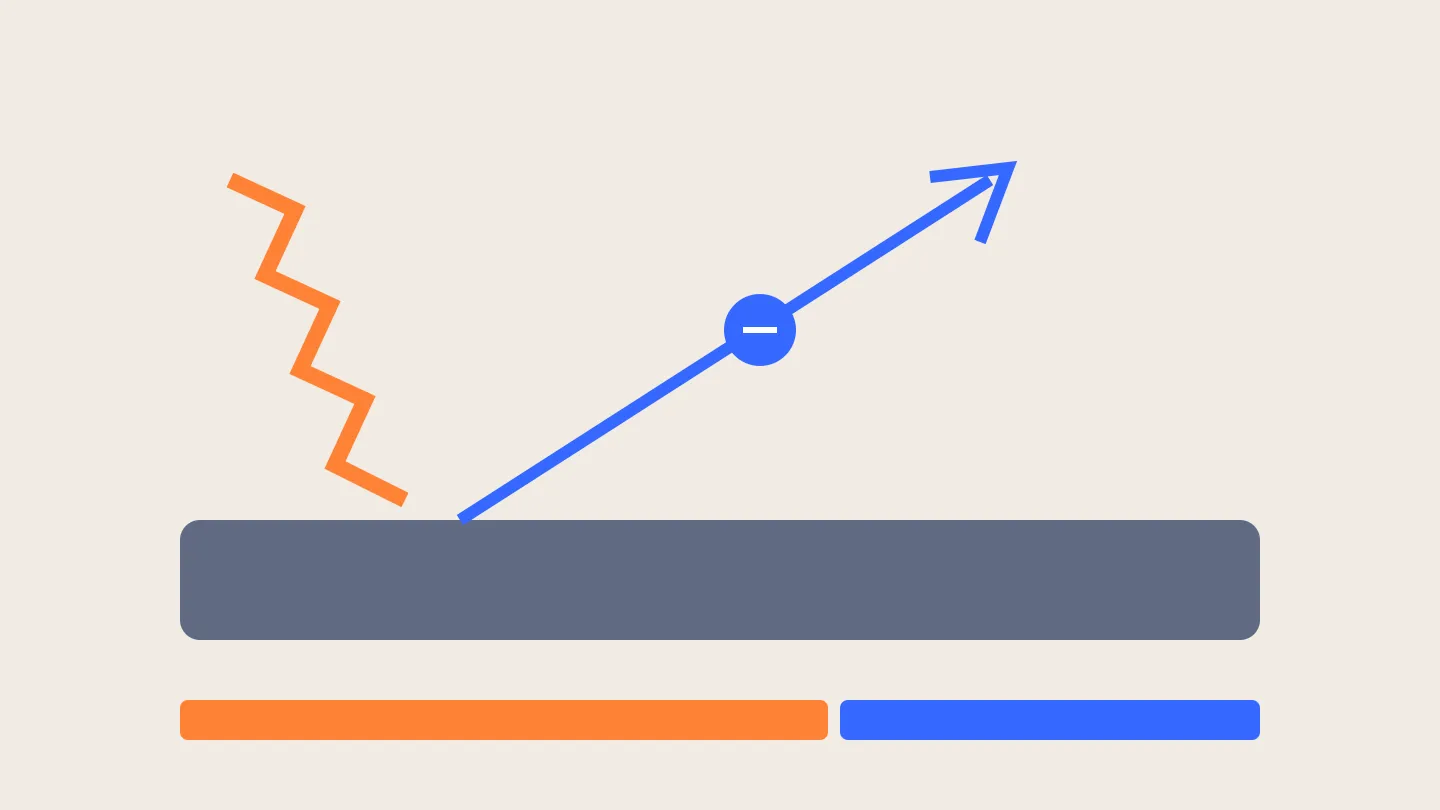
Light gives an electron energy. Some is needed to leave the metal. What happens to the rest?
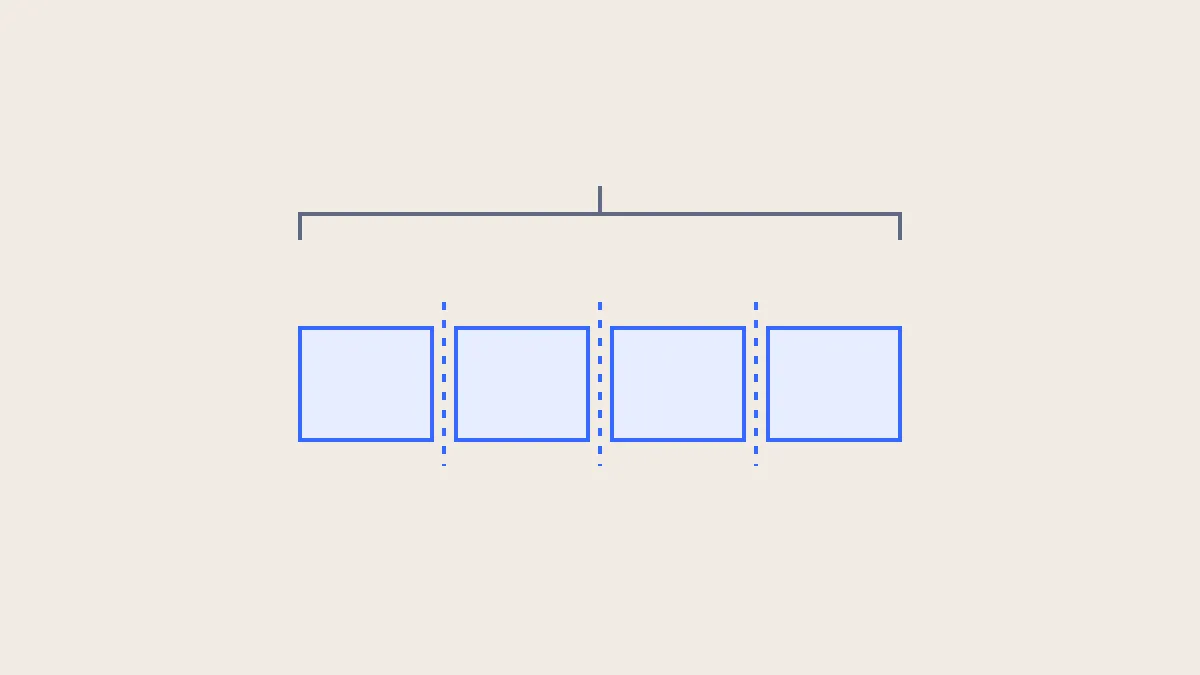
Two metres of ribbon can make four half-metre pieces. Counting those pieces explains what dividing by a half means.
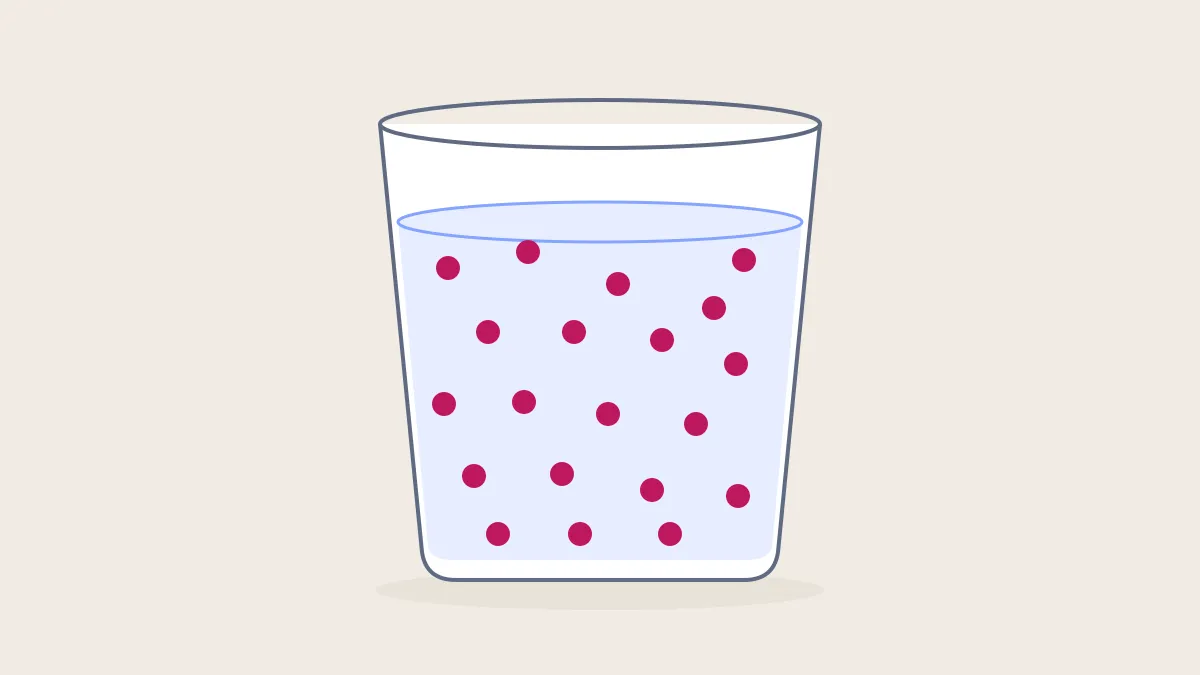
The grains vanish from sight, but the sugar is still there. Let’s look inside a glass of sugar water.
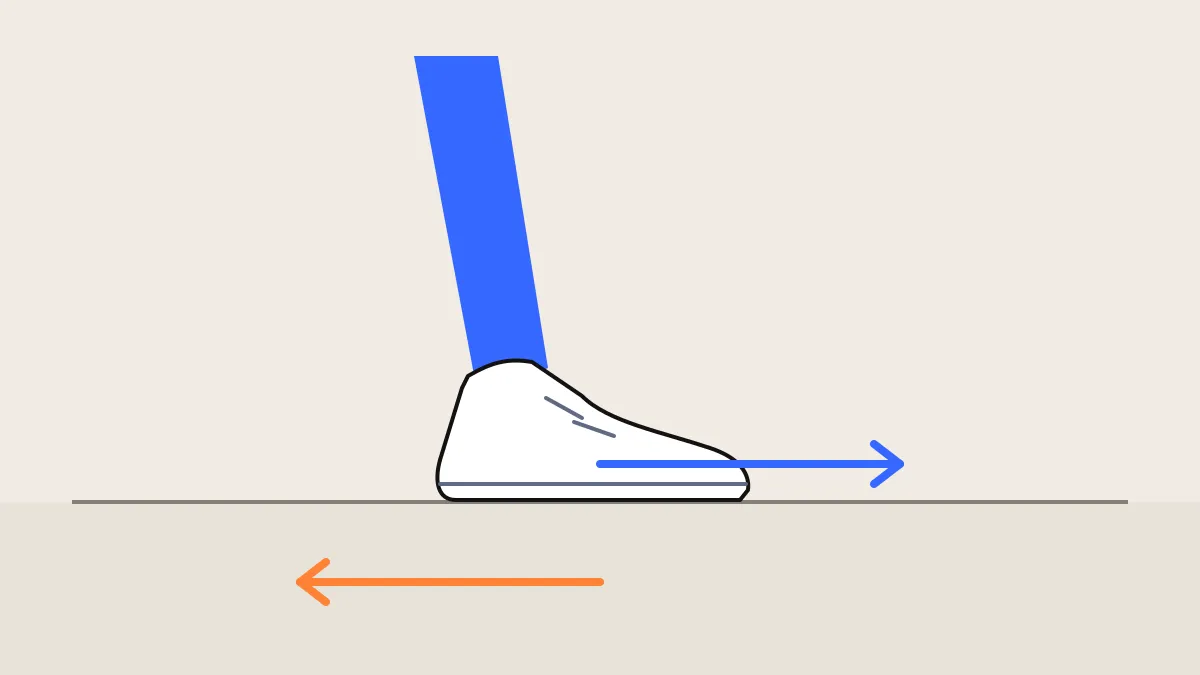
When you walk, your foot pushes the ground backwards and the ground pushes you forwards. Let’s see why these equal pushes do not stop you moving.